 US
US

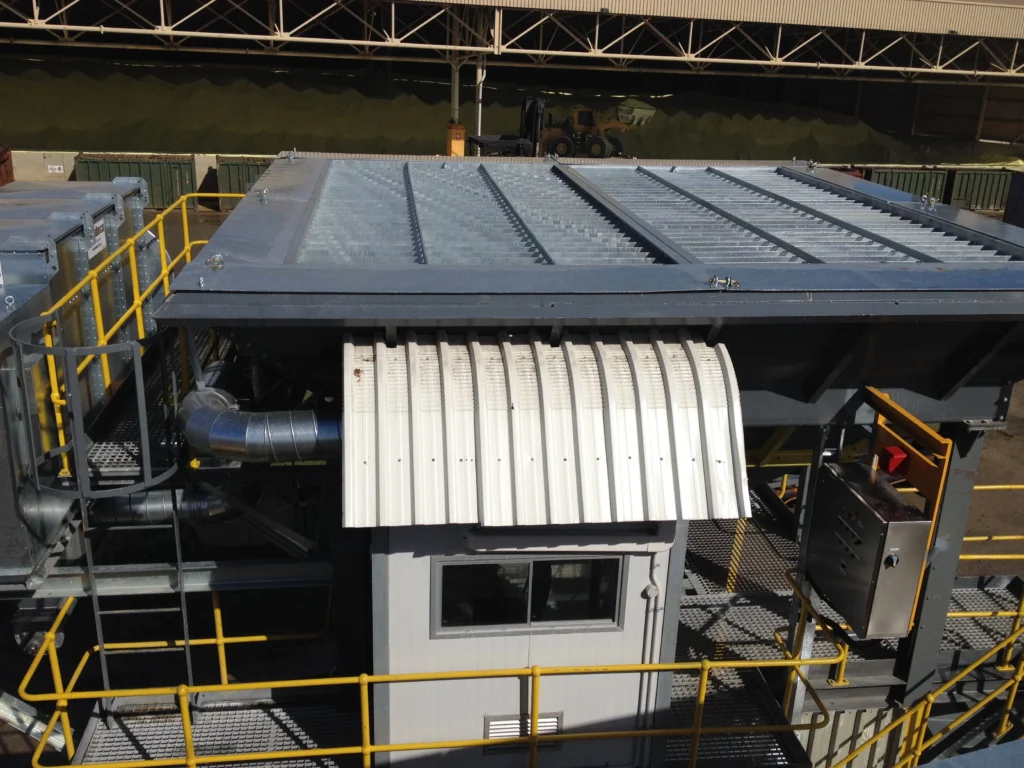


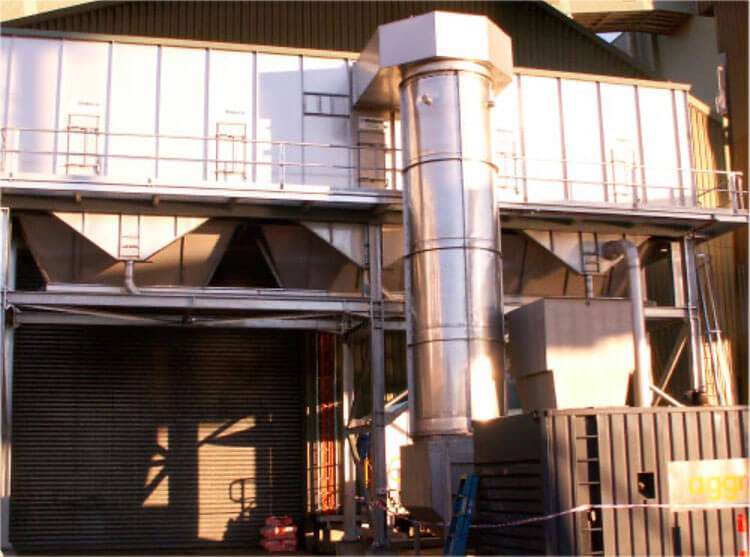


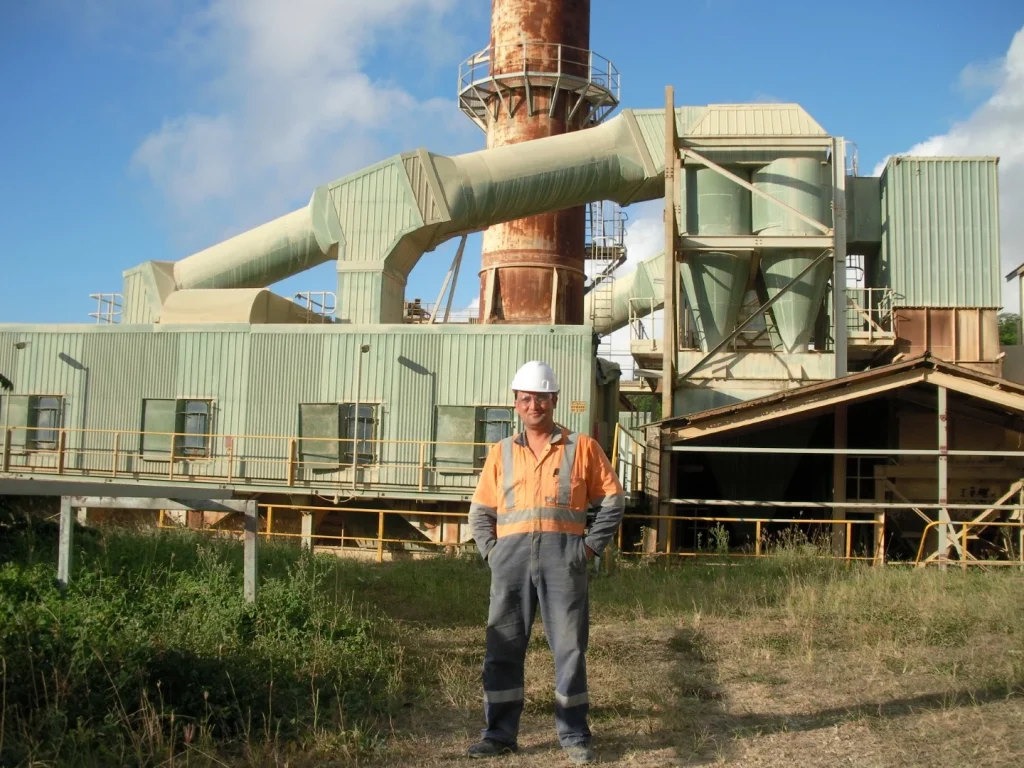
Dust extraction and dust collection are often thought to mean the same thing. After all, both make for safer, more compliant industrial operations. Despite this, they do actually perform different functions.
This distinction shapes how a site handles dust, protects workers, preserves their equipment, and ensures compliant emissions. This article will explain both systems in clear terms, giving you access to the information you need when it comes to investing in the right solution for your workplace.
What is a dust extraction system?
A dust extraction system removes dust directly at the point of creation. It pulls contaminated air away from a worker’s breathing zone to capture dust before it spreads through the workspace. Typical features include:
- Localised suction points
- Ducting for targeted airflow
- Fans with higher static pressure
- Filters that clean the extracted air before being released
Extraction systems work best in enclosed or high-dust areas. They are commonly integrated into workshops, cement batching rooms, processing plants, mineral handling areas, powder coating facilities, and confined spaces. They suit tasks that create dust at a specific source and allow close control of worker exposure.
What is a dust collector?
A dust collector is a centralised system that handles larger air volumes across a wide area. It captures airborne dust from multiple points in a facility and removes it from the air stream completely. Typical components include:
- A large collector housing
- Filtration media or bag filters
- Fans with higher airflow and lower static pressure
- Hoppers or bins for material discharge
- Ducting that connects multiple sources
A dust collector suits large industrial environments such as mines, quarries, cement plants, grain handling facilities, timber operations, and other high-volume dust sites. A collector filters large airflow volumes and separates dust typically through mechanical or filtration processes.
Differentiating between the two systems
Dust extraction and dust collection still share the same goal despite their differences: to improve health and safety, protect equipment, and ensure regulatory compliance. Still, they achieve this with completely separate engineering approaches:
Scale: Extractor targets local points, whereas a collector serves an entire facility.
Airflow and suction: Extractor uses higher static pressure and lower airflow. A collector uses lower static pressure and high airflow to treat larger volumes.
Filtration: Extractor uses smaller filters designed for close-range dust control. Collectors use large filtration units that handle continuous, high-volume loading.
Ducting: Extractor has shorter duct runs with simple layouts. Collectors require larger, centralised duct networks.
Mobility: Extract or can be mobile or portable. Collectors are fixed installations.
Dust types: Extractor suits fine dust at the worker interface. Collectors handle bulk dust and larger particulate volumes.
Cost and maintenance: Extractor is simpler to install and maintain. Collectors require greater investment for more advanced systems like the Reverse Air Filters, while there are also cost-effective and compact options such as the Economy Filters
A side-by-side comparison at a glance
| Attribute | Dust Extraction System | Dust Collector |
| Primary function | Localised source capture | High-volume central collection |
| Airflow | Lower volume | Higher volume |
| Static pressure | Higher | Lower |
| Typical dust load | Lower | Higher |
| Mobility | Often portable | Fixed |
| Facility size | Small to medium | Small to large |
| Installation complexity | Low | High |
Dust extraction system vs dust collector: When to use both
Opting for the right system hinges on where the dust forms, how much dust is produced, and what the regulations require. Below is a simple, general guide to when you may choose one over the other:
When to use a dust extraction system
- Workstations that create specific dust points
- Enclosed or high-dust rooms
- Tasks that require direct protection for operators
- Smaller or medium facilities
When to use a dust collector
- Large industrial plants
- Bulk material handling with significant airborne dust
- Sites with multiple dust sources
- Operations that run continuously
When you need both
Many complex facilities call for layered control; local extraction protects workers, central collectors manage the broader environment. This is common in:
- Mining
- Quarries
- Cement production
- Grain and agricultural handling
- Timber and biomass processing
Using both systems ensures complete coverage for sites that often generate fine dust as well as bulk particulate. Every site is different so these guidelines are only a starting point. Our team can assess your conditions and recommend the most effective solution for your unique dust challenge.
Integrating systems with workplace health, safety and environmental management
- Correct system selection supports cleaner air. It protects workers from inhalable and respirable dust to reduce the risk of lung disease and long-term health complications.
- It also supports compliance. Regulatory standards require control of airborne dust to strict limits, with the wrong system potentially leading to failures during inspections.
- Environmental emissions also matter. High-volume operations must prevent dust from leaving the site and systems safeguard nearby communities and ecosystems.
- Finally, the right design reduces downtime and prevents hazards such as blockages, equipment wear, or combustible dust events. Strong engineering builds safer and more predictable operations.
How Mideco approaches dust extraction and dust collection systems
Mideco has supported industrial dust control for more than 70 years. Our approach covers extraction, collection, suppression, filtration, and personnel de-dusting, for a range of industry-leading solutions that you can count on.
Our team of engineers build the systems to suit the specific dust type, plant layout, and regulatory environment. That means when you invest in our products, you’re investing in a solution to the exact problem you face. We also provide design, installation, commissioning, and long-term support for every project. Choose Mideco, and get on top of your dust problem for good.
Final thoughts
Dust extraction and dust collection perform different roles in industrial dust control, but both are integral to maintain health, safety, compliance, and operational stability.
Contact Mideco today to discuss a system that’s right for you. Remember, strong dust control is how you protect your people, equipment, and business.