 US
US

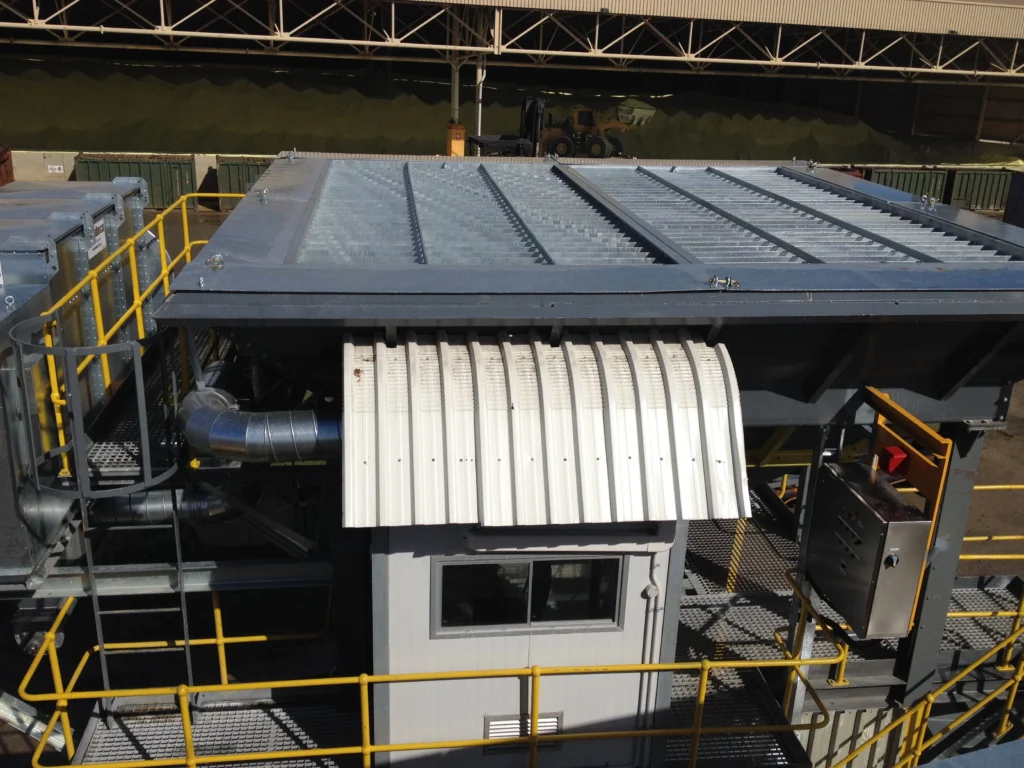


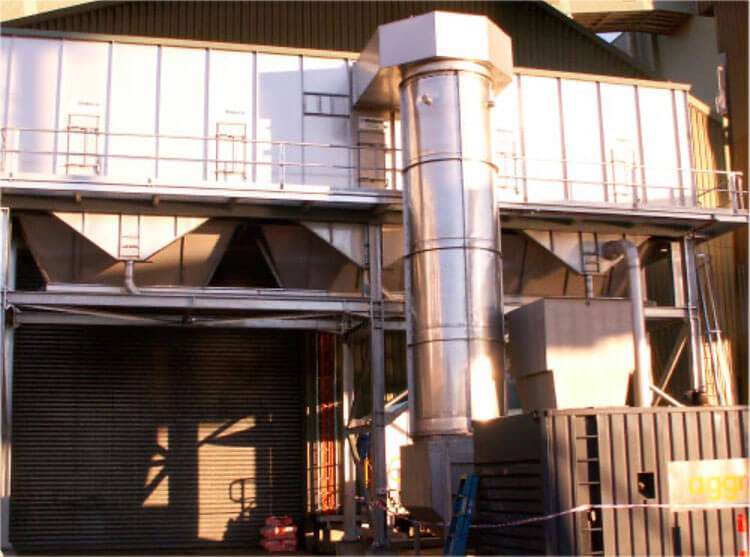


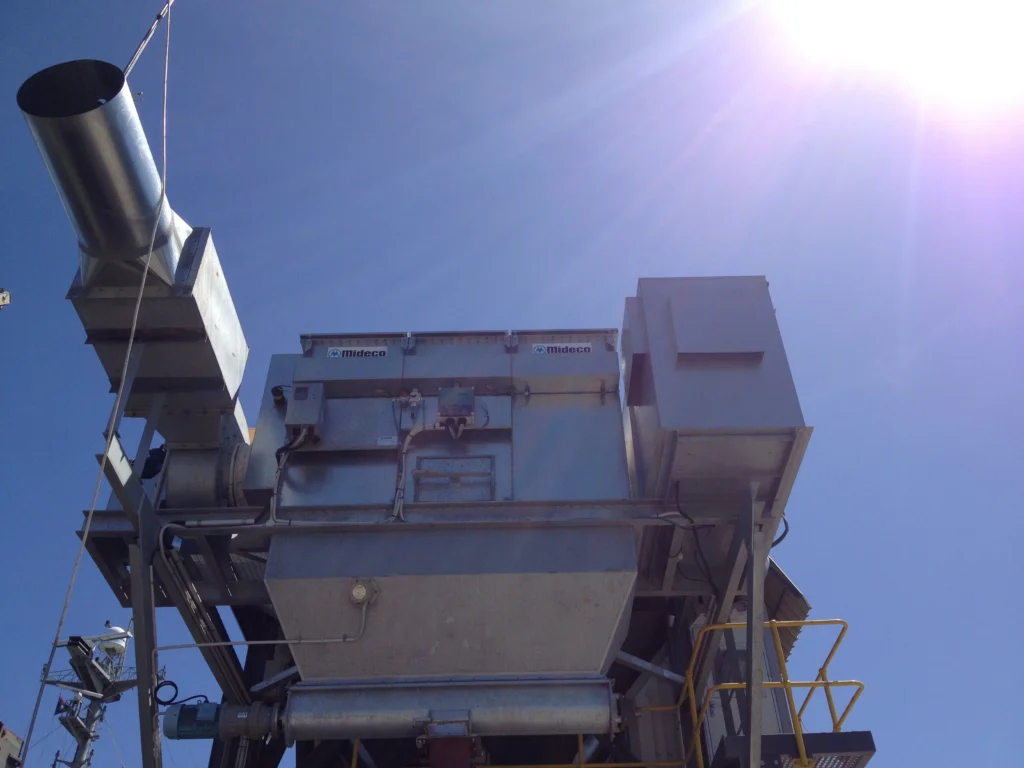
The right dust filtration goes a long way in creating safer workplaces. It protects workers from harmful airborne particles, supports stable operations in environments where dust is prevalent, and keeps facilities inline with strict compliance standards. This article expands on the major benefits of dust filtration systems, showcasing how these market-leading solutions are used across modern industry.
What is a dust filtration system?
A dust filtration system removes airborne particulates from the air stream before they move through a facility. It sits within the broader field of industrial dust management. Filtration captures suspended particles and improves overall indoor air quality in an enclosed space. Dust extraction removes dust at the source or point of generation. Dust collection handles larger air volumes and airborne dust. All three work together. Understanding the benefits of dust filtration system performance helps operators maintain healthier and more reliable workplaces.
The benefits of a dust filtration system in the industry
Industrial sites create dust through cutting, crushing, conveying, milling, and material transfer. Proper filtration manages this across these processes and presents the following benefits:
Health and respiratory protection
Exposure to fine dust leads to a higher risk of developing lung disease, particularly for high-contact tasks. This dust stays airborne for long periods so effective filtration is needed to lower exposure and create cleaner air.
Combustible and hazardous dust prevention
Industries handling grain, biomass, powders, or chemicals face all kinds of combustible dust risks. Filtration reduces airborne particle concentration and creates safer plant conditions.
Maintaining clear air
Clean air supports stable indoor conditions and creates a safer working environment. Effective filtration improves visibility, reduces airborne irritants, and maintains overall air quality throughout the facility.
Protecting equipment and plant operations
Over time, dust damages motors, sensors, bearings, and control systems. Filtration minimises contamination and prevents any risk of early component failure. Meanwhile, maintenance becomes far more predictable.
Meeting WHS and environmental standards
Sites must comply with strict exposure and emission limits. Proper filtration helps your business remain compliant, audit-ready, and aligned with regulatory expectations.
A more productive workforce
Cleaner environments minimise downtime and allow teams to work more efficiently. With clearer work areas, stable systems, and fewer dust-related interruptions, productivity increases. A healthier, happier workforce also means fewer days lost to illness.
Lower environmental impact
Efficient systems prevent dust release into nearby communities and ecosystems. Engineered solutions provide targeted control that supports environmental responsibility.
Financial advantages
By reducing maintenance demands, preventing unexpected downtime, and minimising compliance risks, effective filtration delivers sustained cost savings. It’s an investment that provides a strong return on investment and pays for itself over time.
The industries that benefit most from dust filtration
Mining
Heavy dust loads form during blasting, crushing, and haulage. Filtration protects workers and equipment in offices near these dust-generating sites and reduces combustible dust risks.
Quarries
Extraction and transfer create large dust volumes. Filtration protects machinery and maintains safer air conditions for operators and nearby offices.
Cement plants
Cement dust is fine and abrasive. Filtration supports stable kiln, mill, and packing operations and protects any sensitive components.
Grain and agricultural facilities
Grain dust is combustible and harmful if inhaled. Filtration reduces explosion risk and supports clean storage and transfer zones.
Timber and biomass facilities
Wood dust is particularly hazardous and combustible. Filtration supports safe processing environments and prevents gradual buildup on equipment.
How our dust filtration systems create solutions
High-quality filtration media
Strong media capture fine particulates without blocking airflow.
Strong airflow engineering
Balanced pressure and flow maintain consistent dust capture across your plant, even during high-load operations.
Smart system design and complete customisation
Custom engineering means each system is built for your dust type, process, and operating environment.
Consistent maintenance and monitoring
Routine filter checks support performance and extend equipment life.
Advanced technologies
Modern control systems, sensors, and efficient designs improve safety, air quality, and overall operational reliability.
How Mideco supports professional dust filtration
Mideco brings more than 70 years of engineering experience across dust management, collection, suppression, extraction, and filtration. Our industry-leading technologies support heavy industry, processing plants, ports, and regulated sites. If you want to invest in comprehensive duct collection systems, the following options are available:
- Bat Vent for dust filtration and pressurisation of enclosed spaces.
- Bat Booth for personnel dedusting, complementing the Bat Vent in protecting workers and ensuring clean indoor spaces.
- Economy Filters, Reverse Air Filters, and Tubular Pulse Filters for high-efficiency dust collection.
- Mideclones for coarse particle collection.
Final thoughts
Understanding the benefits of dust filtration system performance guides decision-makers in proper collection solutions, which is a critical step in creating a safer, cleaner, and more compliant operation. We’re here to guide you every step of the way.
Contact us today to discuss a dust control solution and let’s safeguard your business together.