Home » Silica Dust Control for Industrial Environments

Silica Dust Control for Industrial Environments

Watch video

Silica dust is a persistent airborne hazard across so many industries. Fine particles become suspended in the air, creating risks for worker health, equipment performance, and overall site conditions.

Left unmanaged, particles can be inhaled or spread throughout a space and impact both people and operations. Effective dust control reduces these risks, supporting safer workplaces, protecting infrastructure, and maintaining cleaner environments for everyone.

A properly engineered silica dust extraction system works as part of a broader dust management strategy, helping to:

  • Protect workers from respirable crystalline silica exposure
  • Maintain safe air quality in operational areas
  • Reduce fugitive dust emissions
  • Improve plant cleanliness and productivity
  • Support regulatory compliance
Enquire now

What is Silica Dust?

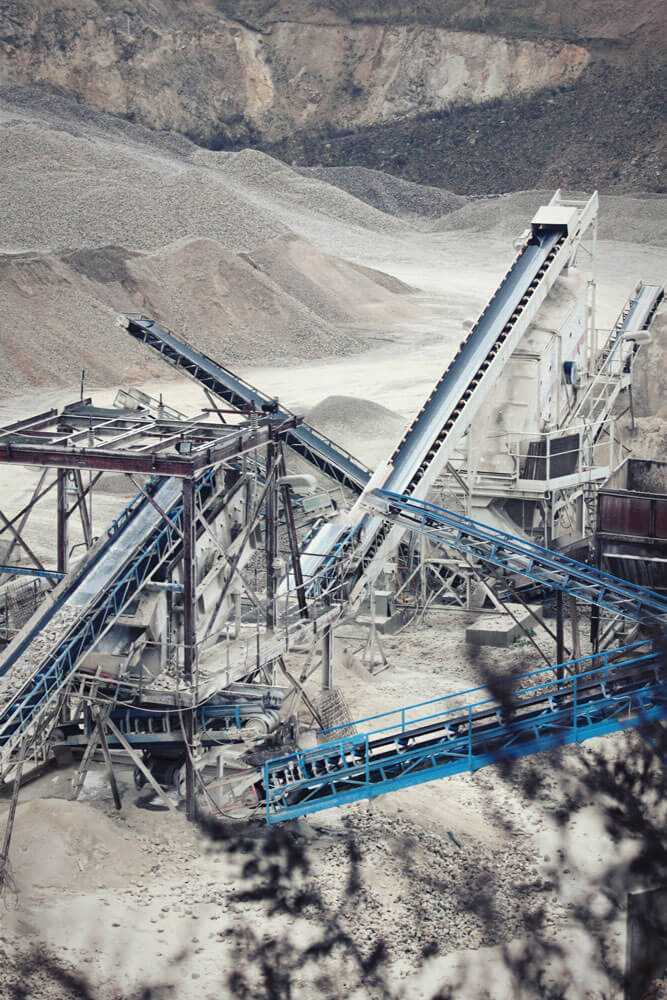
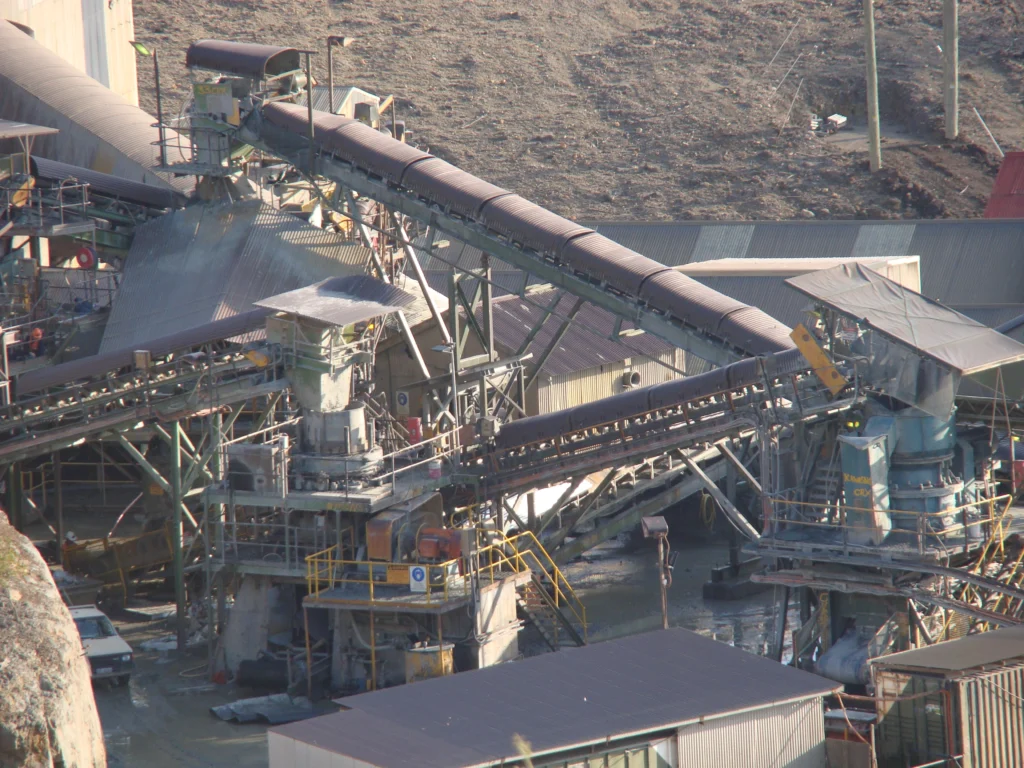
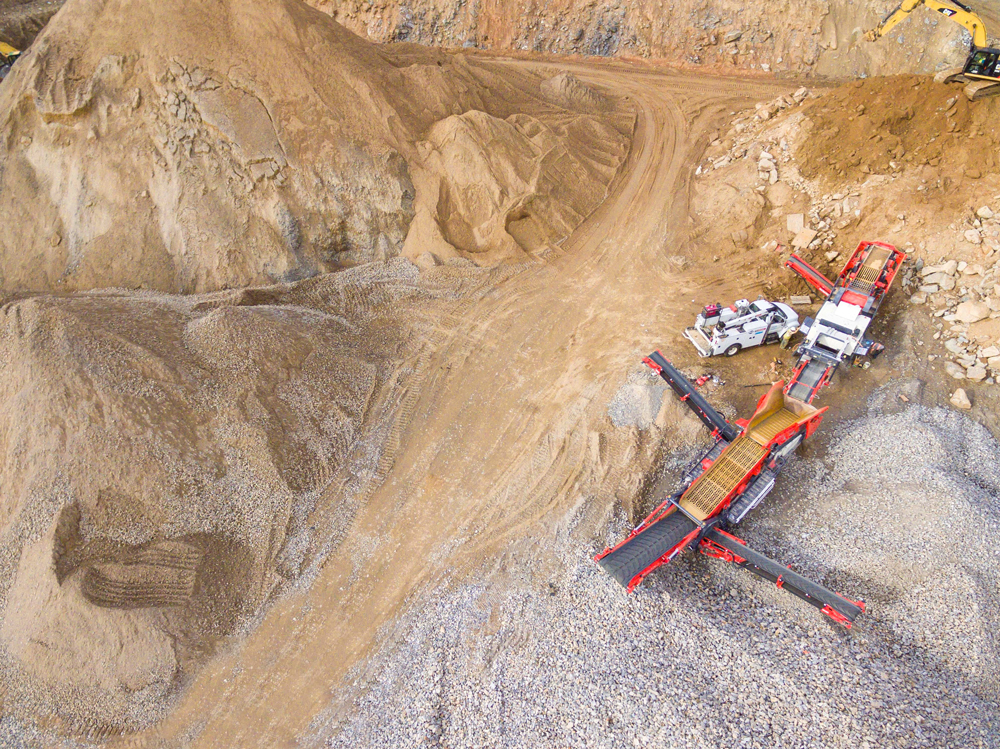
Silica dust impacts miningquarriescementbulk material handling and even certain agriculture operations where mineral-based materials are processed. It’s generated when materials such as stone, sand, concrete, clinker, or minerals are crushed, screened, conveyed, transferred, or handled. 

Fine airborne particles known as respirable crystalline silica (RCS) are released, which can remain suspended in the air and inhaled deep into the lungs. Effective silica dust control minimizes the impact of this contaminant, safeguarding worksites, infrastructure and your workforce.

Common silica dust generation points include:

  • Crushing plants
  • Screening operations
  • Conveyor transfer points
  • Material receiving pits
  • Bulk loading and unloading operations
  • Grinding or cutting processes

Because silica particles are extremely fine and easily airborne, control requires engineered systems that either prevent dust from becoming airborne, capture it from air streams, or remove it entirely. A properly engineered silica dust control system plays a key role in this layered approach.

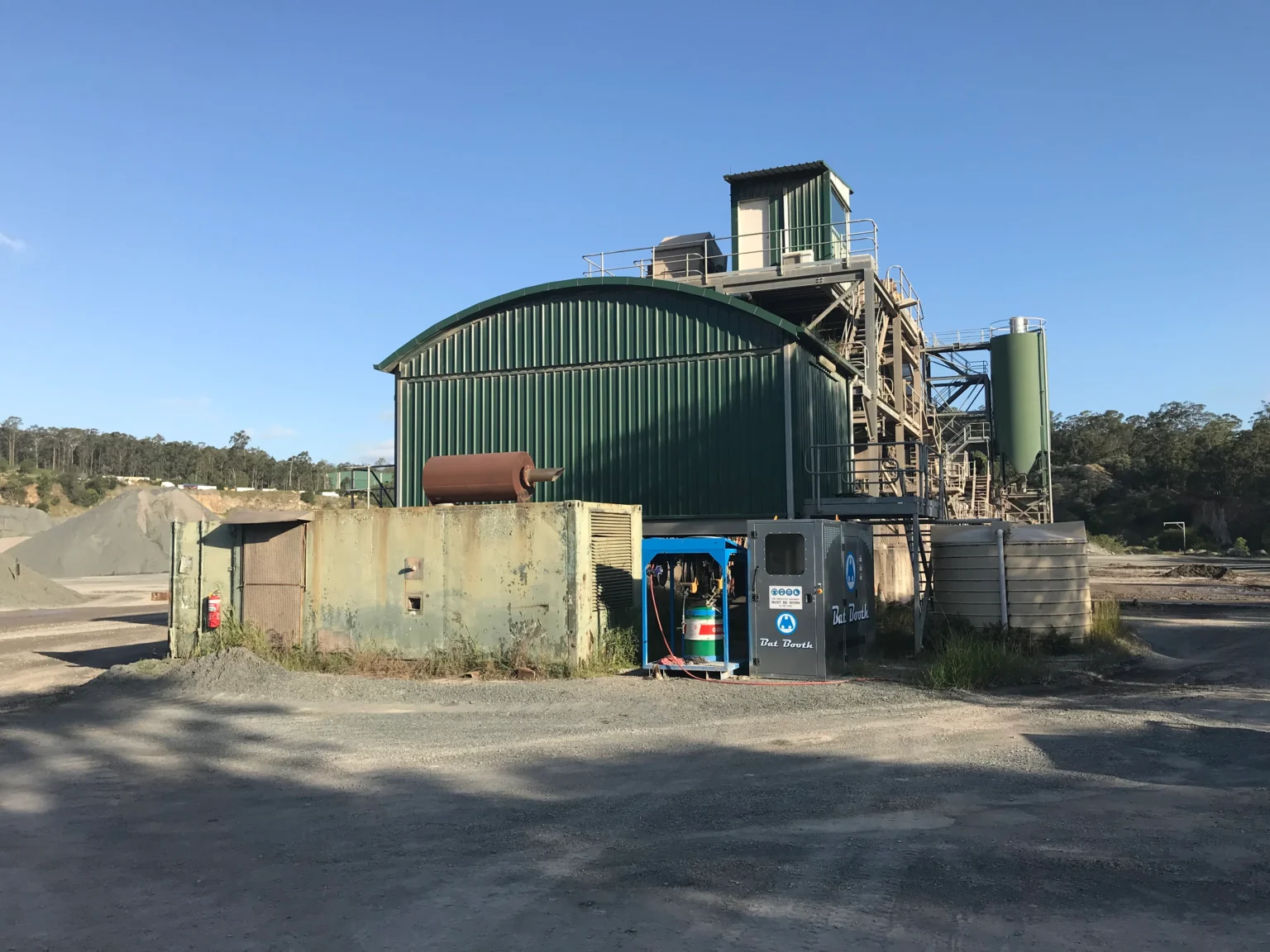
"Mideco provided effective routine servicing of our smelter Bat Booths, keeping the equipment operational and enabling personnel to safely utilise them for dust management. They are also very flexible with servicing coordination and always easy to contact."

Jake Dalla Valle
Asset Management Planner, BHP Olympic Dam

“The Bat Booth is actually unreal. We have got night shift workers, and it’s a lot faster and more efficient to use. Instead of relying on a simple handgun, this equipment really gets the job done quickly and effectively.”

Alex Stevenson
Leading Hand, Hanson Wolffdene Quarry

“The Bat Booth is very good. The maintenance guys use it the most because they get covered in dust and dirt during their work. It makes a huge difference in keeping them clean and comfortable. They really appreciate how effective it is for that purpose.”

John Taylor
Quarry Manager, Hanson Ferny Grove Quarry

“Bat Booth has been a great installation here at Glasshouse. It's allowed our guys at the end of the day, after they've done their maintenance and before they jump into their vehicles and head home to their families, to lock out of the MCC room and come into the Bat Booth and be de-dusted... to make sure that we're not increasing their exposure of respirable dust.”

Chris Wilson
Quarry Manager, Hanson Glasshouse Quarry

“We have used the Burnley Baffles successfully on several projects.”

Senior Project Manager, AMG, Inc.

The Challenge: Silica Dust in Industrial Operations

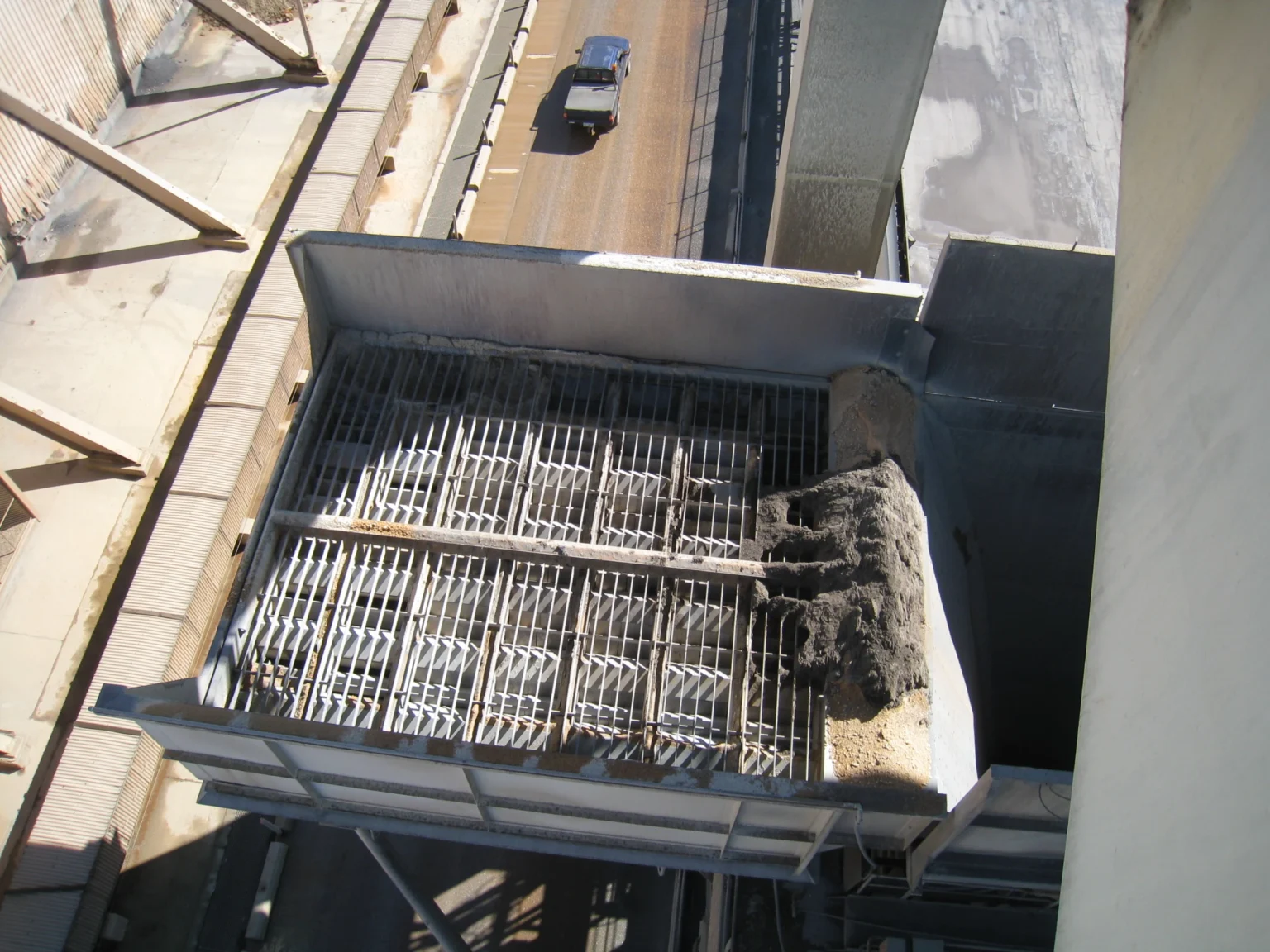
In mining and quarries, silica dust is generated continuously through crushing and screening processes. In cement plants and bulk terminals, high volumes of fine material move through conveyors and loading systems, creating persistent fugitive dust emissions. Without structured silica dust control, facilities may experience:

  • Worker exposure to airborne dust
  • Dust spreading throughout operational areas
  • Accumulation on equipment and walkways
  • Contamination of offices and enclosed environments
  • Increased regulatory scrutiny

Effective silica dust control requires a combination of:

  • Dust suppression at transfer points
  • Dust collection systems operating under negative pressure
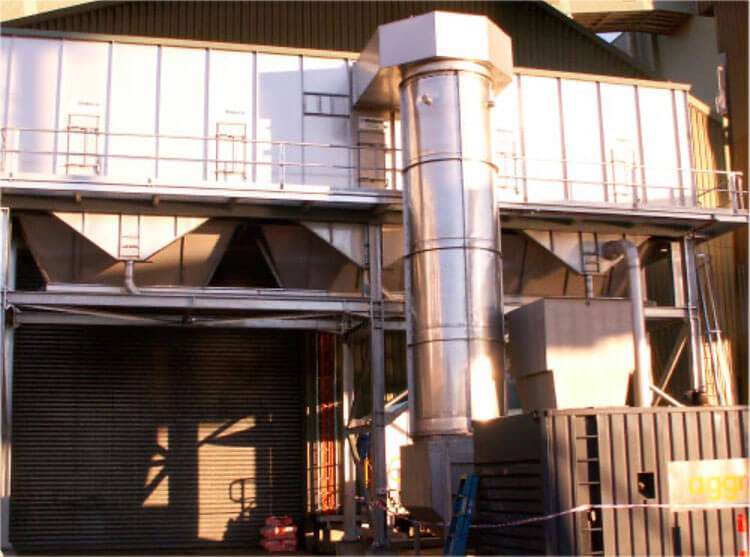
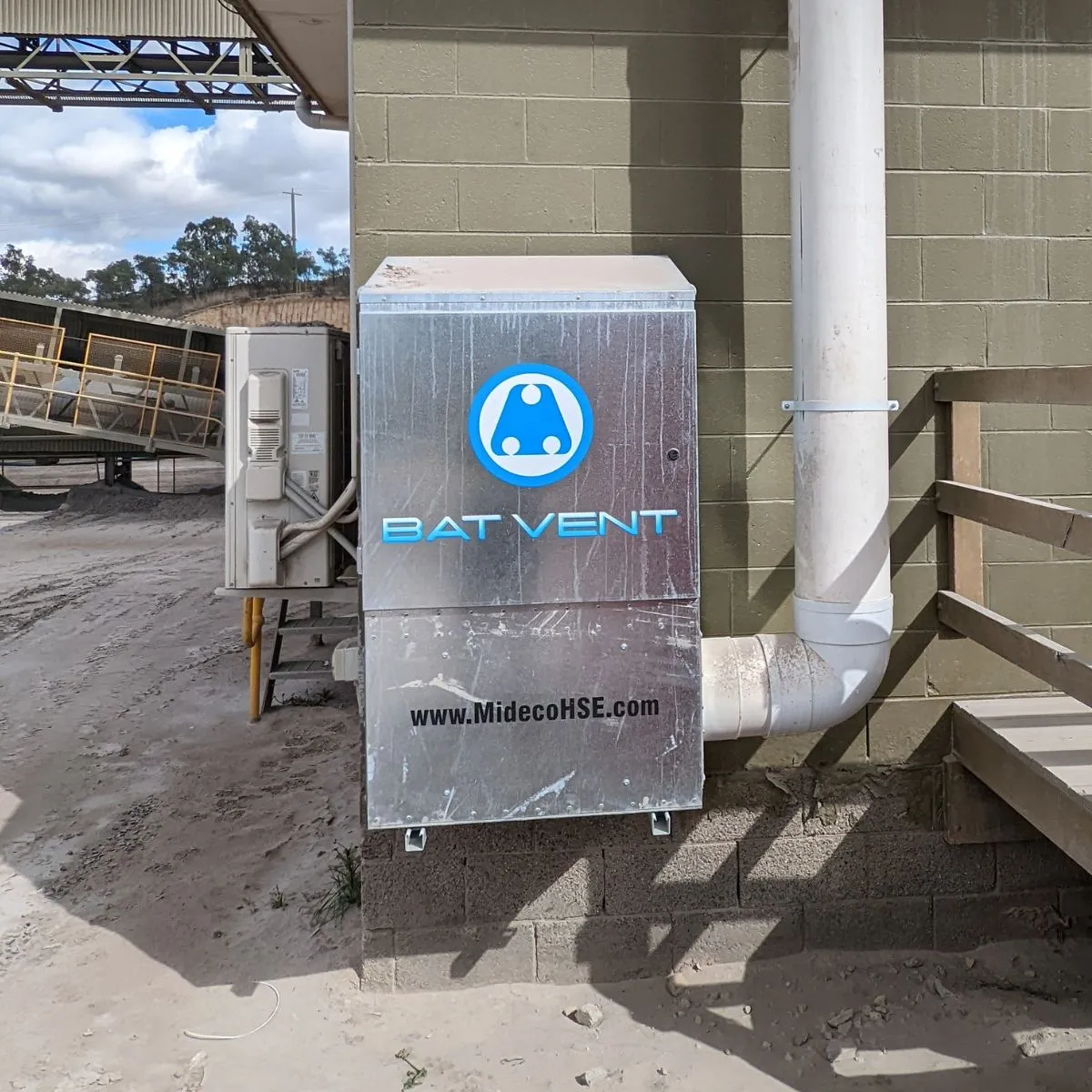
  • Localised silica dust extraction systems in enclosed work zones
  • Personnel de-dusting solutions
  • Positive pressure filtration systems for offices and cabins

Mideco Silica Dust Control Solutions

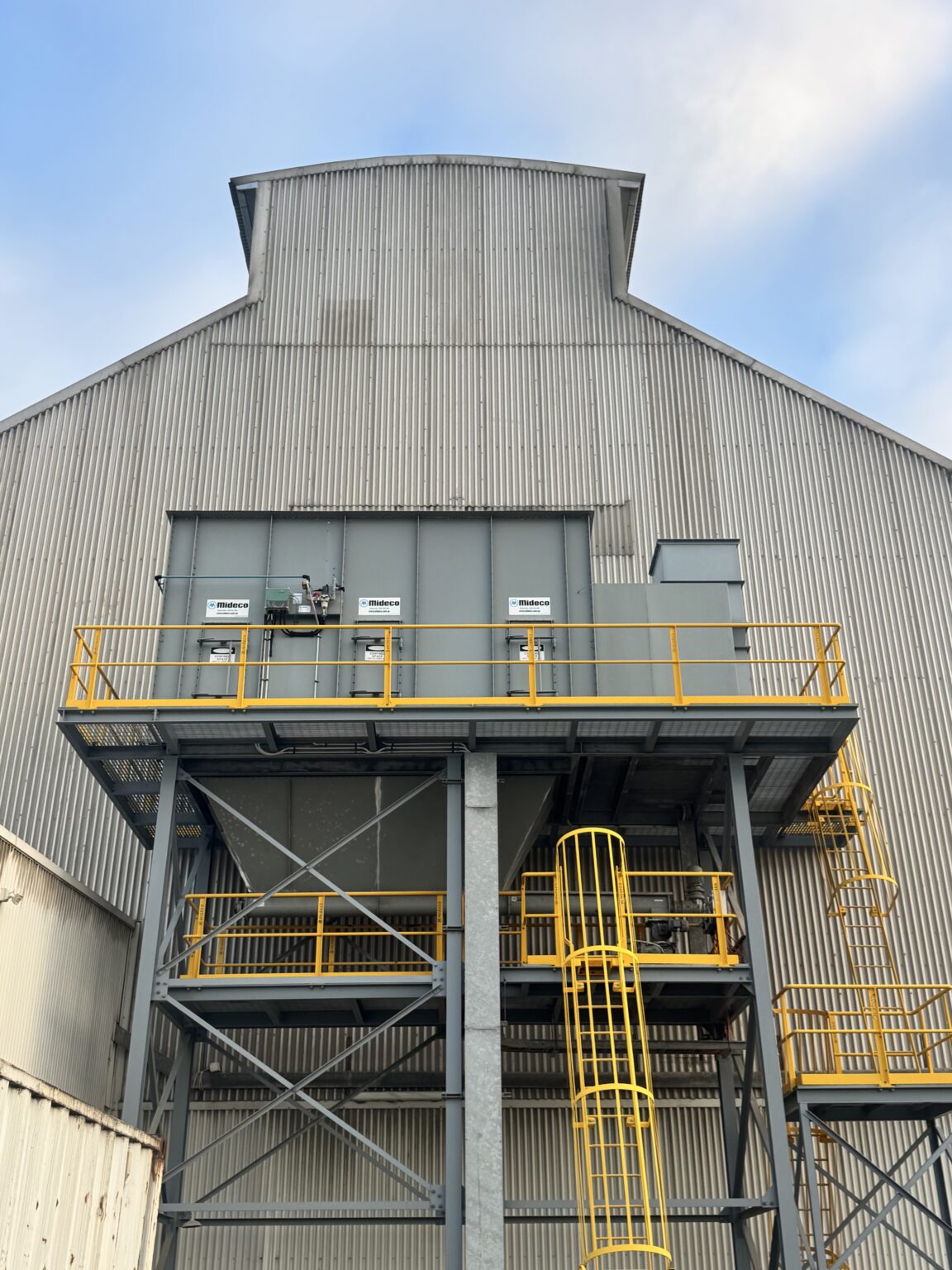
Mideco provides engineered technologies that support comprehensive silica dust control. Rather than supplying standalone equipment, we deliver integrated solutions that form part of a complete silica dust extraction system and long-term dust management strategy.

Take the Lead in Silica Dust Control

Request a quote for advanced silica dust control solutions, including engineered dust extraction and dust collection systems tailored to your facility. 

Contact Mideco to develop a system that aligns with your operational and compliance requirements.

Frequently Asked Questions

A silica dust extraction system is designed to capture airborne dust directly at the point where it is generated. It uses mechanical barriers, local exhaust ventilation, ducting, and filtration to remove fine silica particles from the air before they spread through the workspace, helping to protect workers and maintain safe air quality.

Silica dust contains fine respirable particles that can be inhaled deep into the lungs. Prolonged exposure can lead to serious health conditions such as silicosis, lung cancer, and chronic respiratory disease. Because these particles are often invisible and remain airborne, effective control is essential to reduce long-term health risks.

Silica dust control is required across a wide range of industries where mineral-based materials are handled. This includes mining, quarrying, cement production, bulk material handling, construction, and processing environments where silica dust is generated during routine operations.

Dust extraction systems capture silica dust at the source using mechanical barriers and local exhaust points, then draw the dust-laden air through ducting into filtration or separation units. The dust is removed from the air stream, and clean air is safely returned to the environment or workspace.

Silica dust control typically involves a combination of systems, including dust suppression at transfer points, dust collection systems operating under negative pressure, and localised extraction systems.

Facilities can improve silica dust control by implementing a layered approach that combines suppression, extraction, collection, and filtration systems. Identifying dust generation points and applying the right combination of controls helps reduce airborne dust, protect workers, and maintain compliance with safety standards.

Contact us

Ready to elevate your workplace?

Contact Mideco for innovative dust management solutions.

"*" indicates required fields

This field is for validation purposes and should be left unchanged.
Name*
How did you hear about us?*