Background
In the specialised world of agricultural design-build, Groff Julius is known for delivering robust, high-performance infrastructure. For their Perdue Agribusiness project in the Eastern US, they required a reliable solution to manage product dust during the high-volume rail unloading of soybean meal. Handling light, fine materials requires a balance between aggressive containment and maintaining the high-speed throughput essential to grain processing operations.
Problem
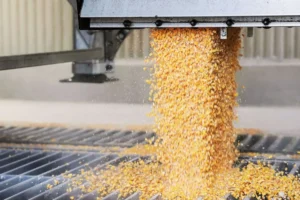
The primary challenge was the physical profile of the soybean meal itself. With a light density of 640 kg/m³ and a 30–35° angle of repose, the meal is prone to significant air displacement and stacking during unloading. Uncontrolled dust from this product poses a dual threat: it increases the risk of dust explosions and creates hazardous inhalation exposure for personnel. Additionally, because soybean meal is a high-value product, any material lost to the atmosphere represents a direct financial loss. The goal was to maximize material recovery while minimising explosion hazards.
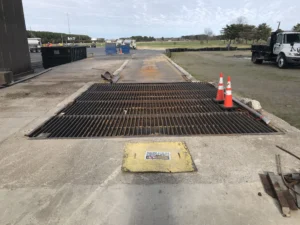
Furthermore, a 1.2-metre (4-foot) gap across the receiving pit presented a specific structural hurdle on-site. Standard installations typically require centre support beams for spans of this width, but adding such a beam would have doubled the baffle requirements and significantly increased the structural costs for the client. This project needed to achieve superior dust suppression while minimising cost and installation complexity.
Solution
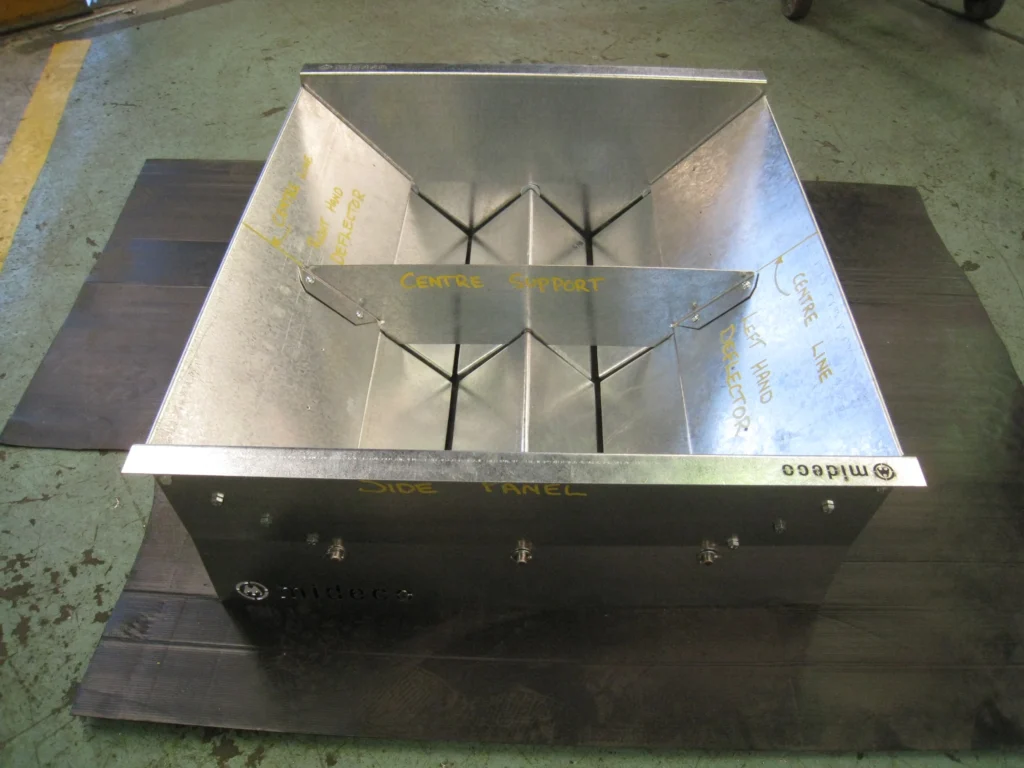
Mideco provided a tailored engineering approach, opting for the Model 5 Burnley® Baffles, specifically designed for meal pattern products.
- To avoid the high cost of center support beams, Mideco custom-lengthened the baffles to span the full 4-foot gap. This allowed Groff Julius to maintain the original pit design while reducing the total quantity of baffles required.
- The Model 5 was selected for its deeper profile and steeper blade angles. These specific adjustments are critical for light products like soybean meal, ensuring that the material flows freely through the baffles while the blades remain responsive enough to trap displaced air instantly. This design effectively creates a barrier that keeps the valuable soybean meal within the receiving pit, maximising material capture.
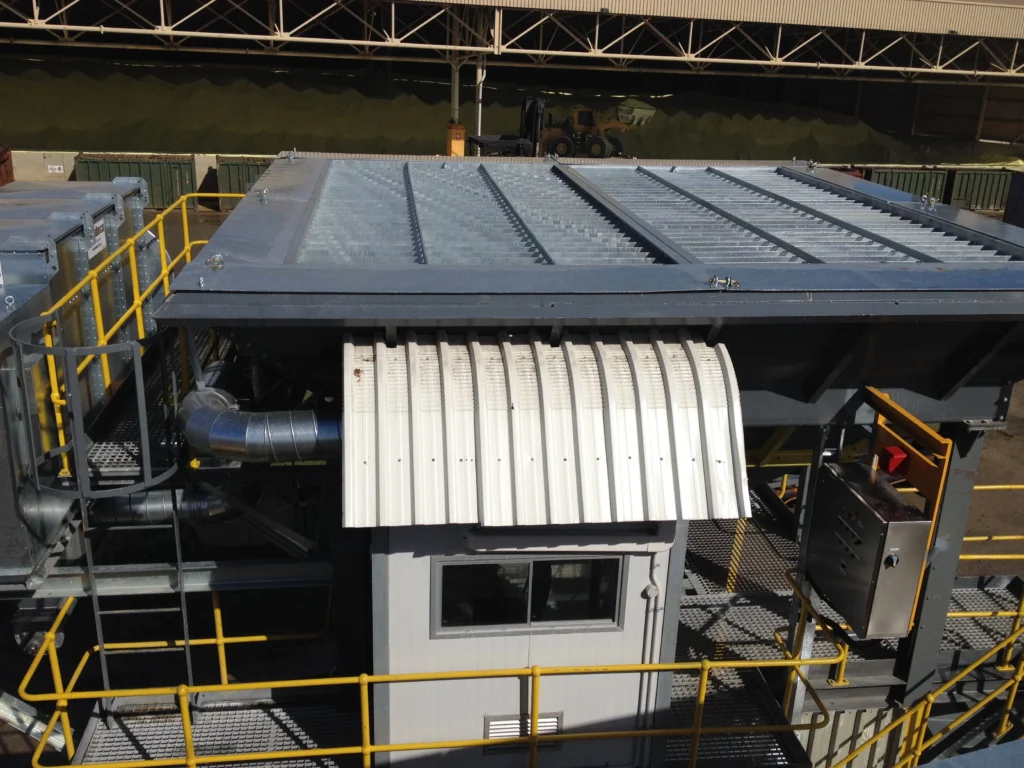
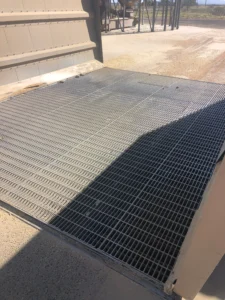
- The baffles were installed beneath the rail car and pit grating. This placement ensures that any material stacking is resolved at the grating level, allowing the Burnley Baffles to handle high-volume discharge without hindering the flow or sacrificing dust suppression efficiency.
Result
By selecting the Burnley Baffle system for the Perdue Agribusiness project, Groff Julius implemented an internationally patented, maintenance-free solution that effectively manage dust at the rail pit during unloading. This achieved an immediate 80% reduction in fugitive dust as a standalone installation, significantly improving site safety and ensuring that valuable product remains in the processing stream rather than being lost to the environment.
With the baffles installed, the site is now primed to reach 100% dust suppression using a significantly smaller and more cost-effective secondary extraction system. To support this next phase, Mideco provided the precise minimum extraction volumes required for the local dust collector procurement. This engineering-led approach ensures that when the local system is integrated, it will operate with maximum efficiency at a fraction of the cost and size of a traditional, collector-only setup.
Struggling with combustible dust or product loss during unloading? Contact us today for solutions.
 US
US