Home » Industrial Dust Suppression Systems

Industrial Dust Suppression Systems

Watch video

Dust is generated at almost every stage of bulk material handling: crushing, screening, conveying, stockpiling, loading and unloading. That dust does more than settle on surfaces if unmanaged. It affects worker safety, causes equipment wear, breaches environmental compliance standards and slows down operations that call for clear visibility and clean machinery.

An industrial dust suppression system addresses the problem at the source. It stops dust from becoming airborne in the first place for a cleaner, safer working environment for everyone.

Enquire now

What Is Industrial Dust Suppression?

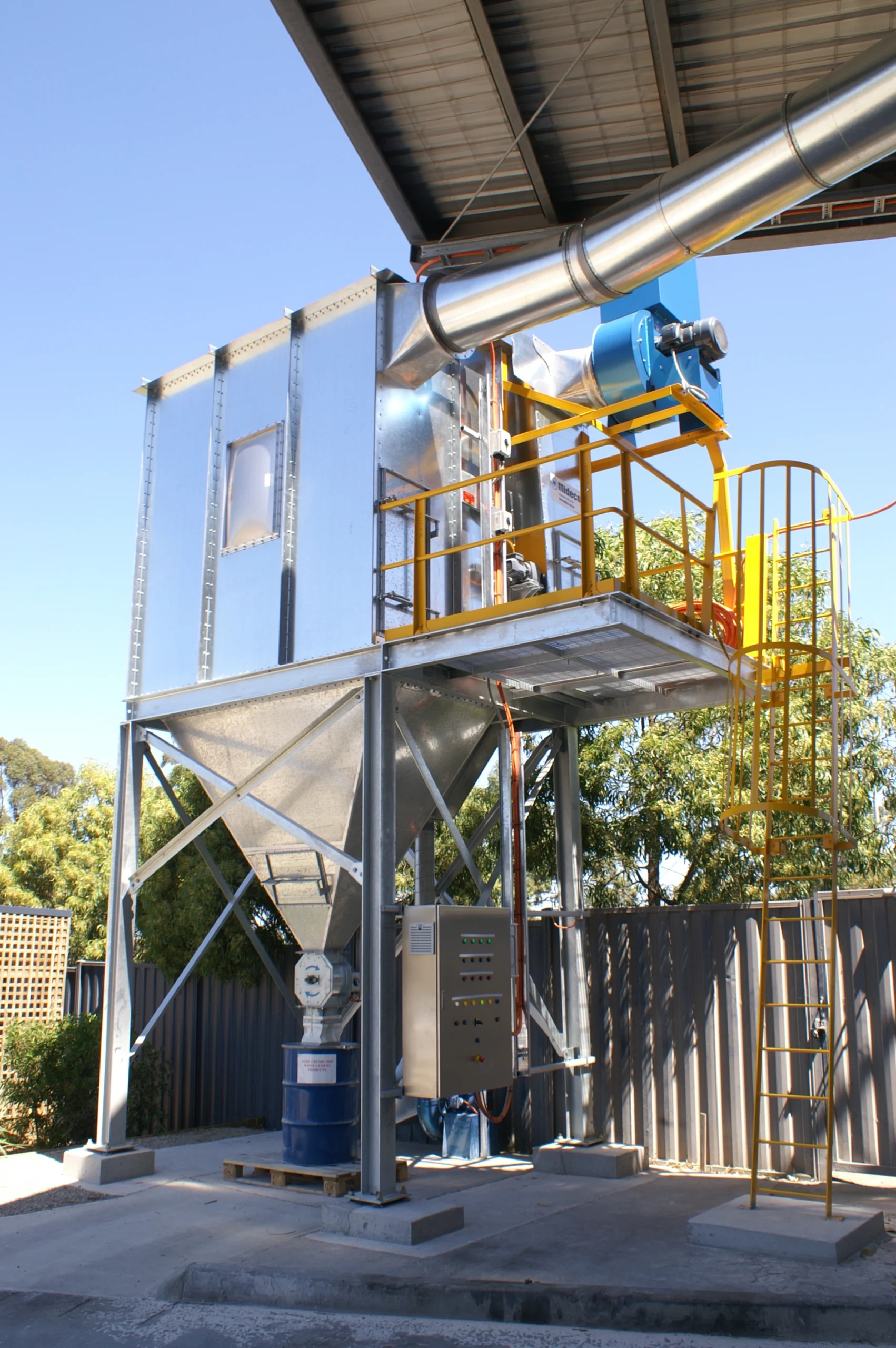
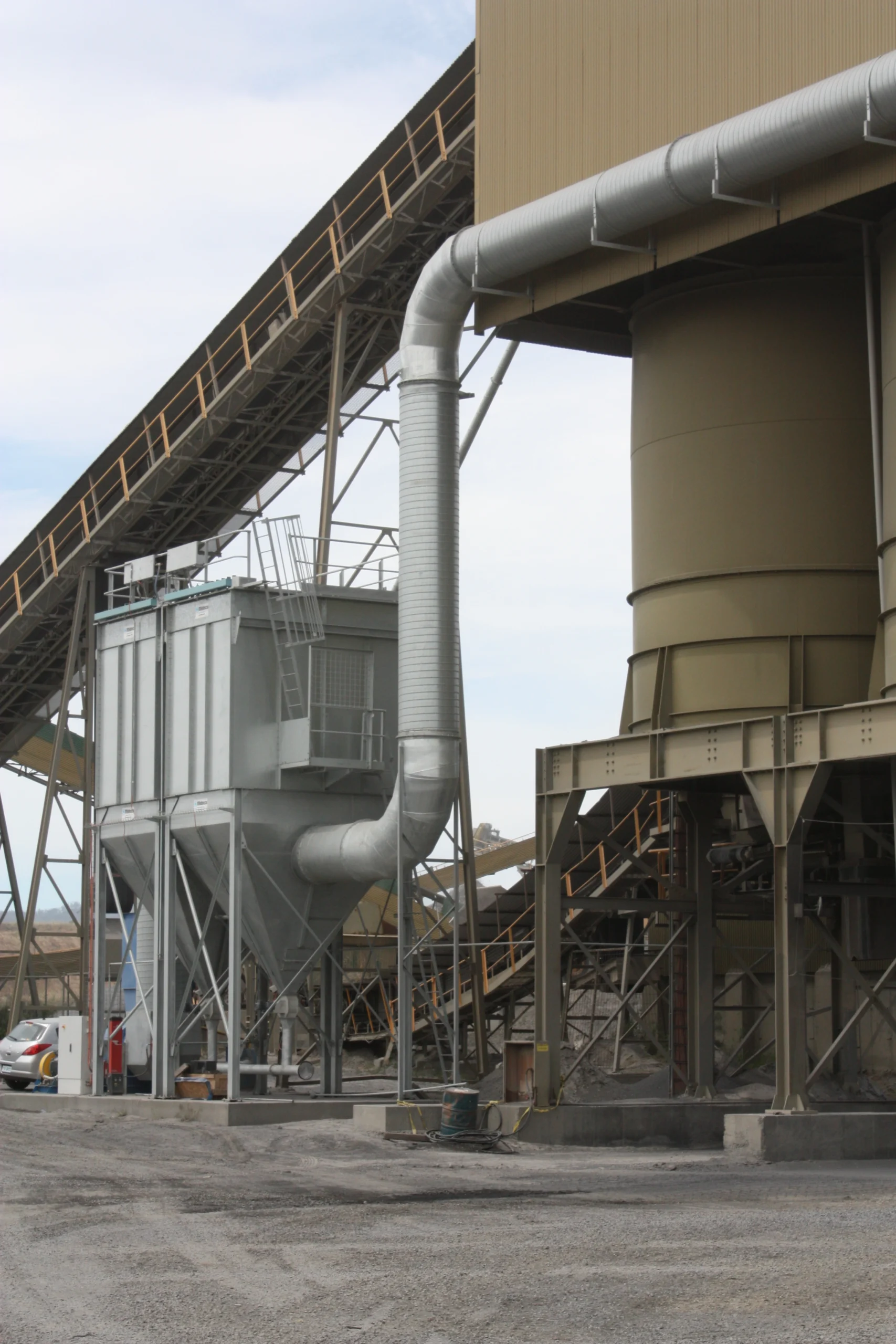
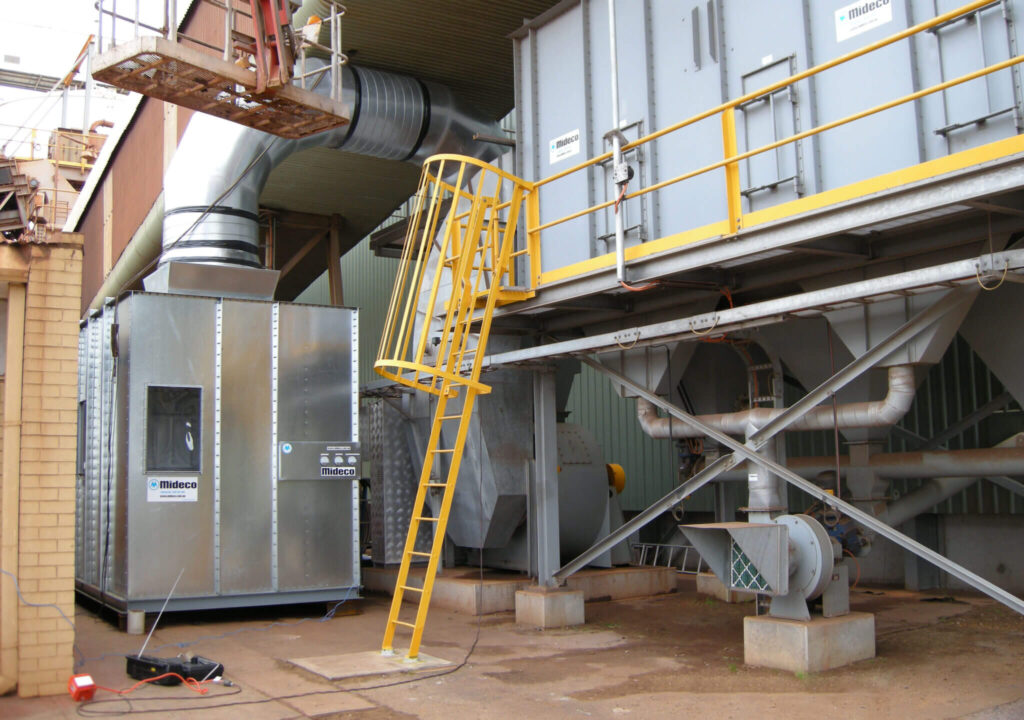
Industrial dust suppression prevents or reduces dust generation at the source. This is what sets it apart from dust collection, which captures airborne particles and fugitive dust before it gets released to the atmosphere.

Most facilities achieve the best results by combining the two. Suppression stops dust forming at the point of handling or transfer; collection captures fugitive dust. Together, they’re the building blocks of a more complete dust management strategy.

Setting up the right combination of suppression and collection technology depends on a handful of site specific factors:

  • Dust type
  • Material characteristics
  • Handling process
  • Environmental conditions
  • Operational requirements

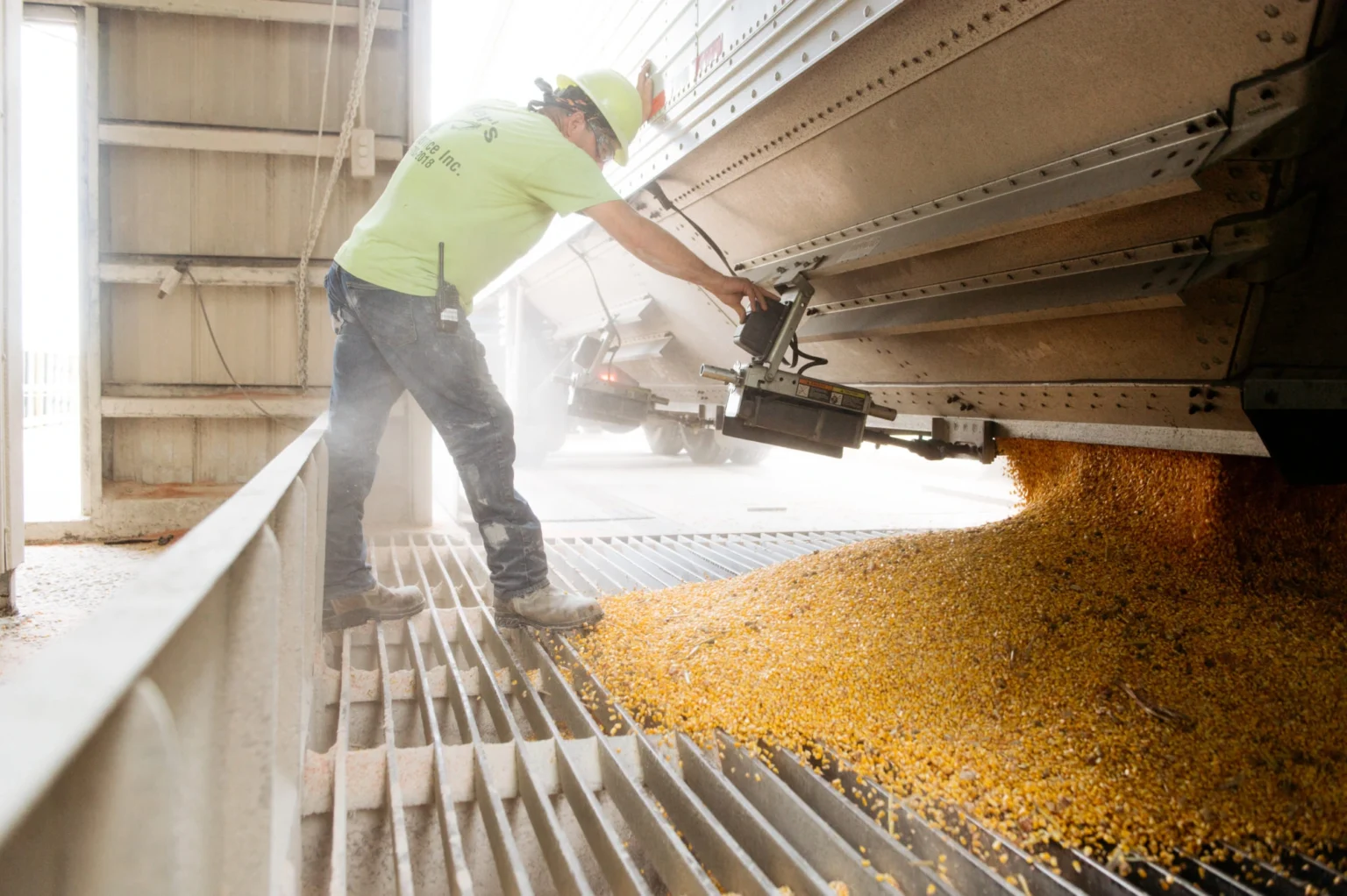
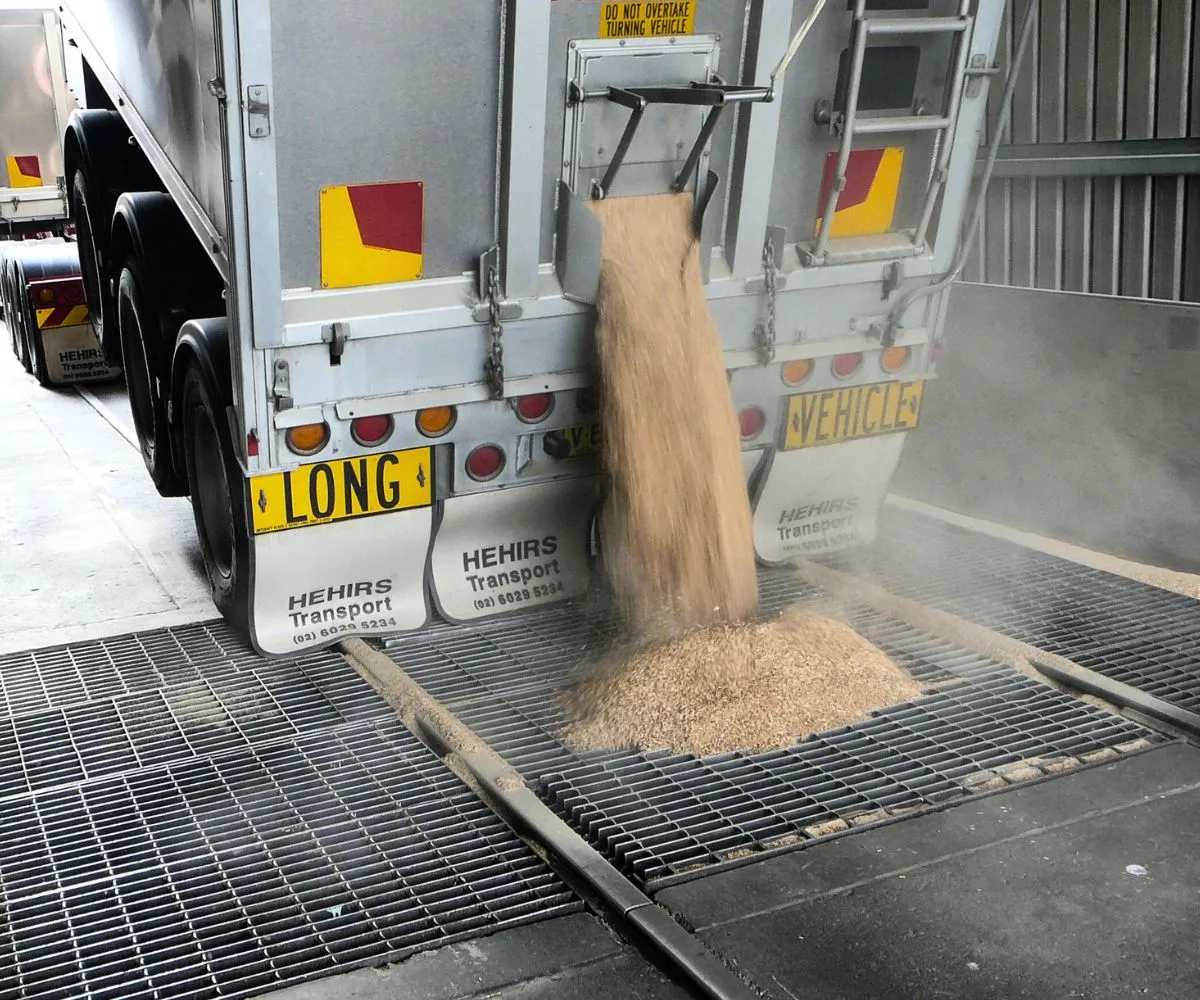
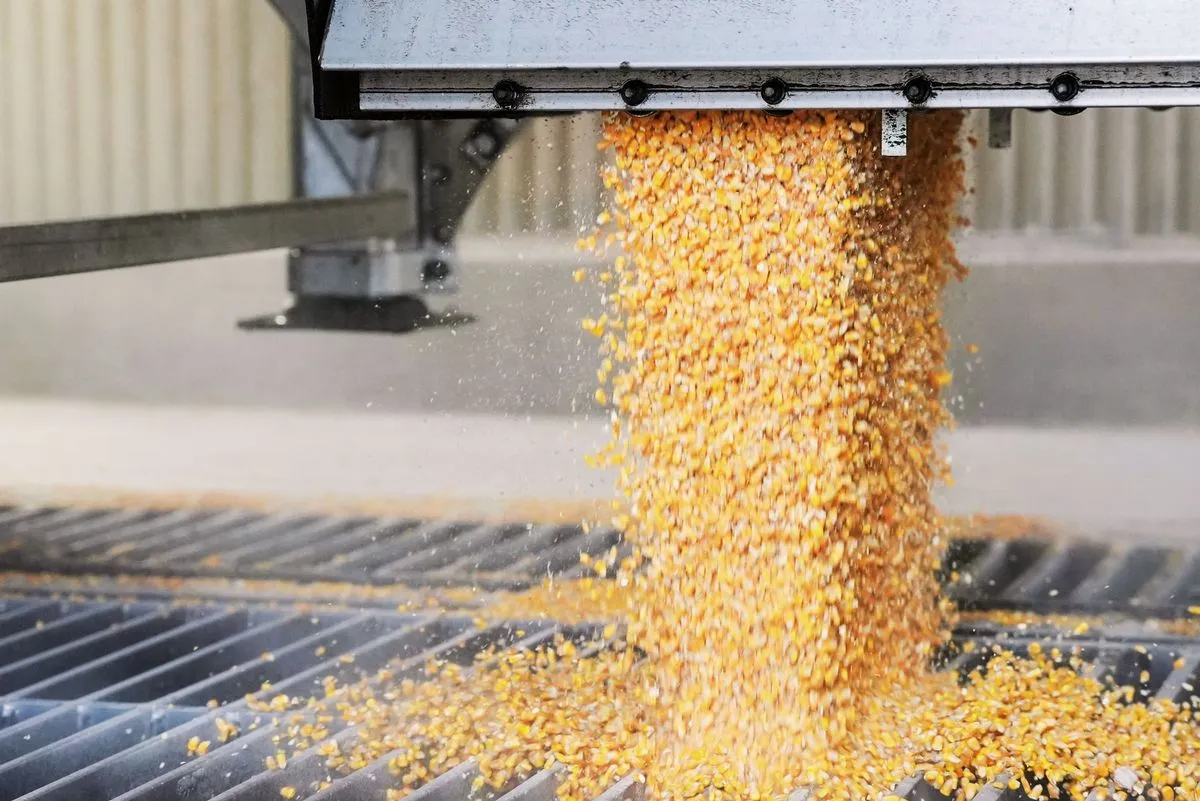
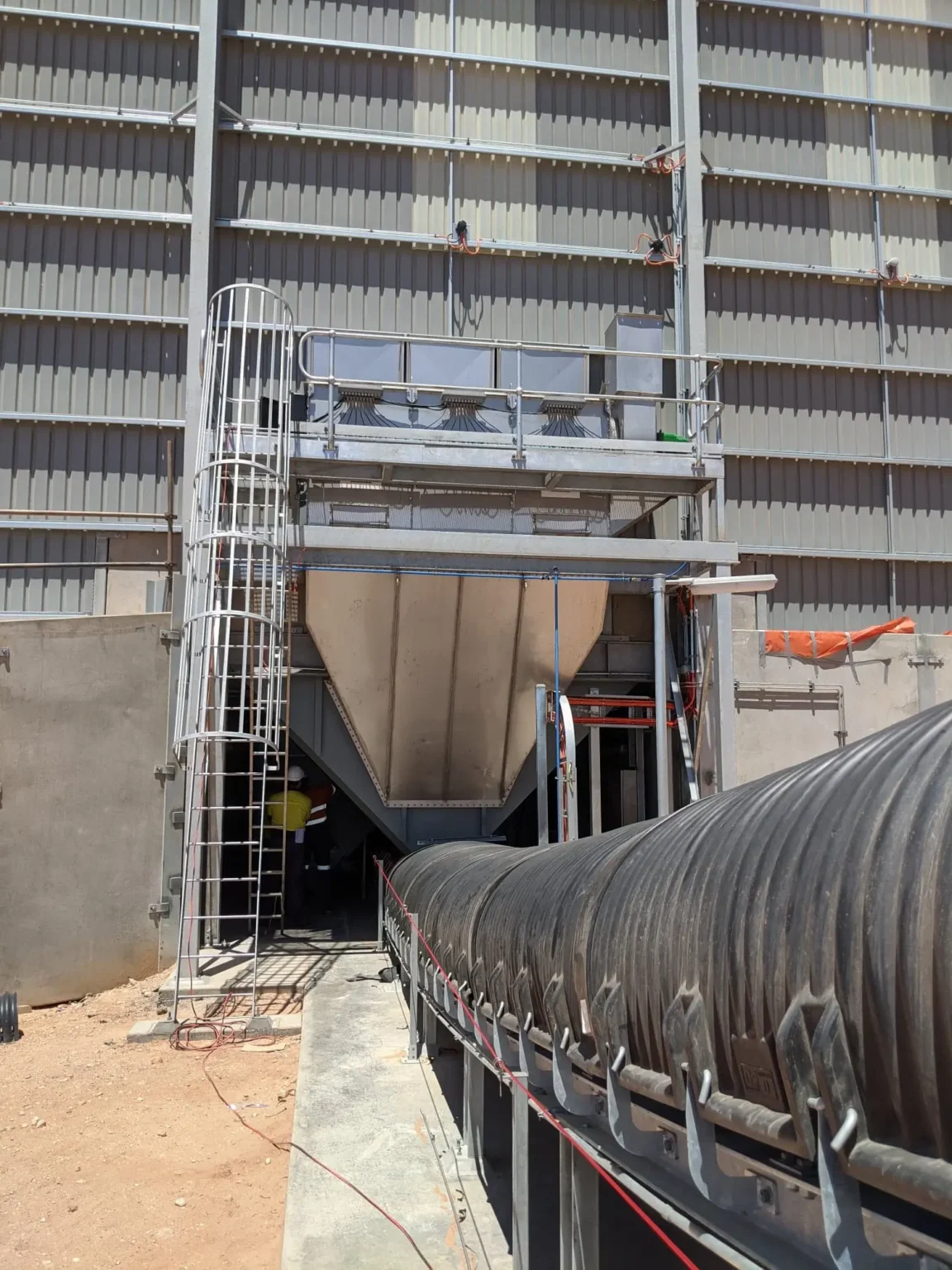
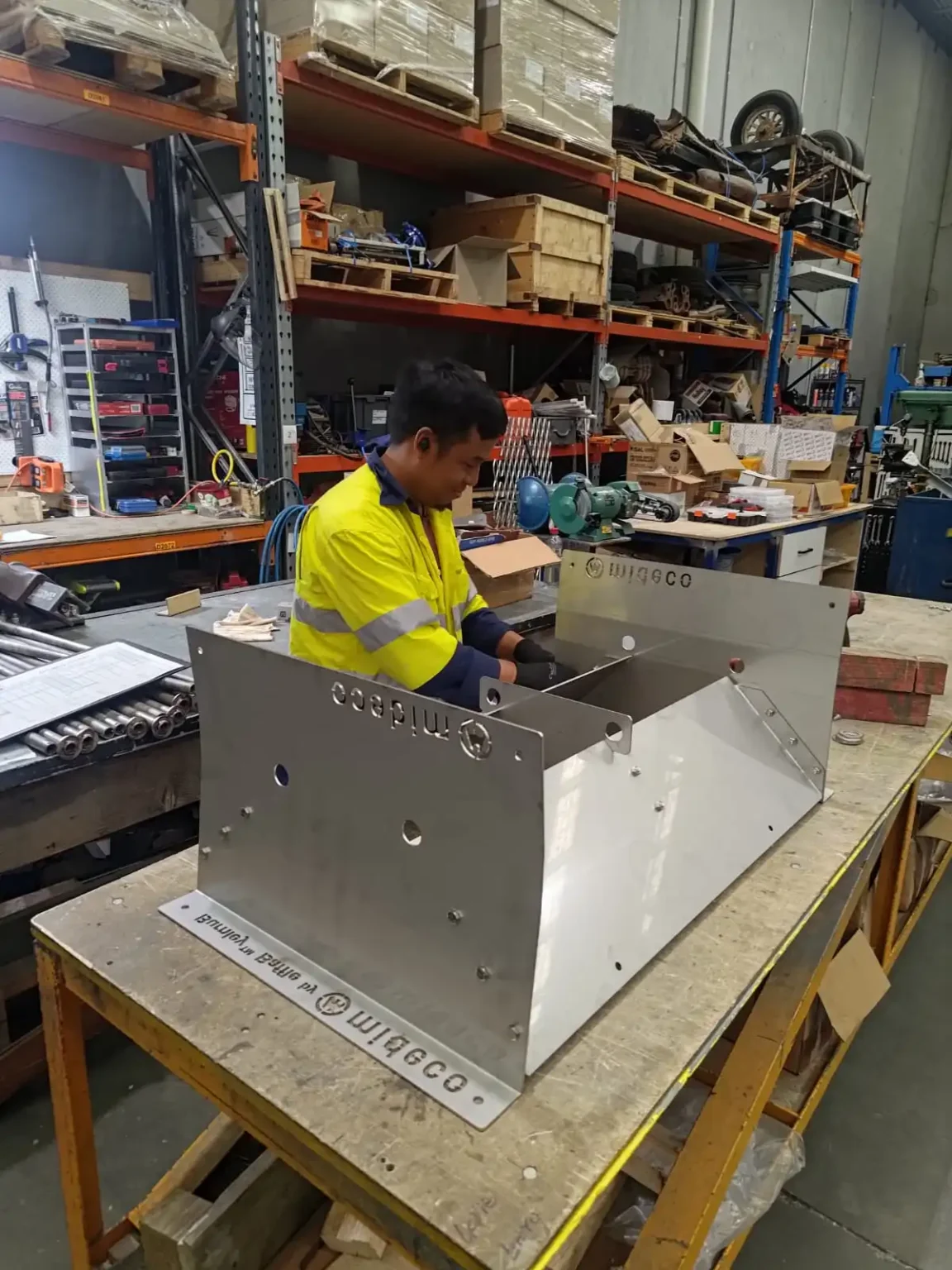
While volume varies by site, the core cause of dust in receiving pits remains the same: air displacement during bulk unloading. Effective pit dust suppression requires tailored engineering to handle these specific airflow dynamics. That is why solutions like Burnley® Baffles rely on a proven, repeatable mechanical process, custom-sized to fit each unique pit layout.

"Mideco provided effective routine servicing of our smelter Bat Booths, keeping the equipment operational and enabling personnel to safely utilise them for dust management. They are also very flexible with servicing coordination and always easy to contact."

Jake Dalla Valle
Asset Management Planner, BHP Olympic Dam

“The Bat Booth is actually unreal. We have got night shift workers, and it’s a lot faster and more efficient to use. Instead of relying on a simple handgun, this equipment really gets the job done quickly and effectively.”

Alex Stevenson
Leading Hand, Hanson Wolffdene Quarry

“The Bat Booth is very good. The maintenance guys use it the most because they get covered in dust and dirt during their work. It makes a huge difference in keeping them clean and comfortable. They really appreciate how effective it is for that purpose.”

John Taylor
Quarry Manager, Hanson Ferny Grove Quarry

“Bat Booth has been a great installation here at Glasshouse. It's allowed our guys at the end of the day, after they've done their maintenance and before they jump into their vehicles and head home to their families, to lock out of the MCC room and come into the Bat Booth and be de-dusted... to make sure that we're not increasing their exposure of respirable dust.”

Chris Wilson
Quarry Manager, Hanson Glasshouse Quarry

“We have used the Burnley Baffles successfully on several projects.”

Senior Project Manager, AMG, Inc.

The Fundamental Challenges of Industrial Dust

Worker Safety

Airborne dust reduces air quality in and around work areas, meaning greater dust exposure over the course of a shift. This exposure carries real health consequences over time, which is why regulators and site operators treat dust as a safety issue rather than just a housekeeping one.

Equipment Performance

Dust accumulation affects machinery, conveyors and processing equipment. Bearings wear faster, sensors foul, and moving parts pick up extra load, increasing maintenance and leading to more frequent downtime.

Environmental Compliance

Industrial facilities must keep dust emissions within defined limits to meet both workplace and environmental compliance standards. Fugitive dust is therefore a compliance risk, and the cost of falling short tends to be higher than the cost of managing dust properly in the first place.

Operational Efficiency

Excessive dust reduces visibility around plant and machinery, carries away valuable product and fine byproducts into the air , and adds to the daily housekeeping burden. On a busy site, that represents direct material loss and operational downtime.

Mideco Industrial Dust Suppression Solutions

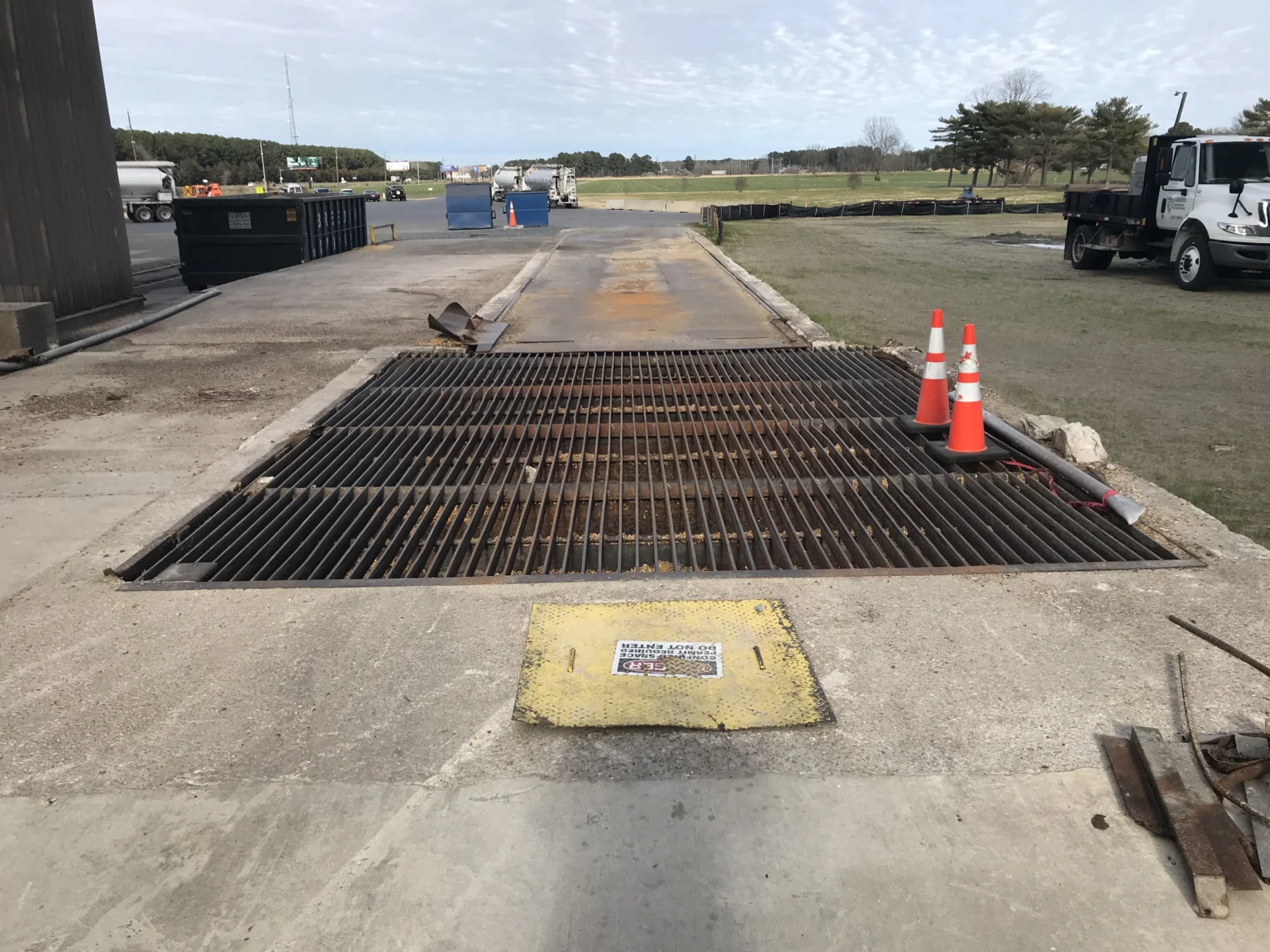
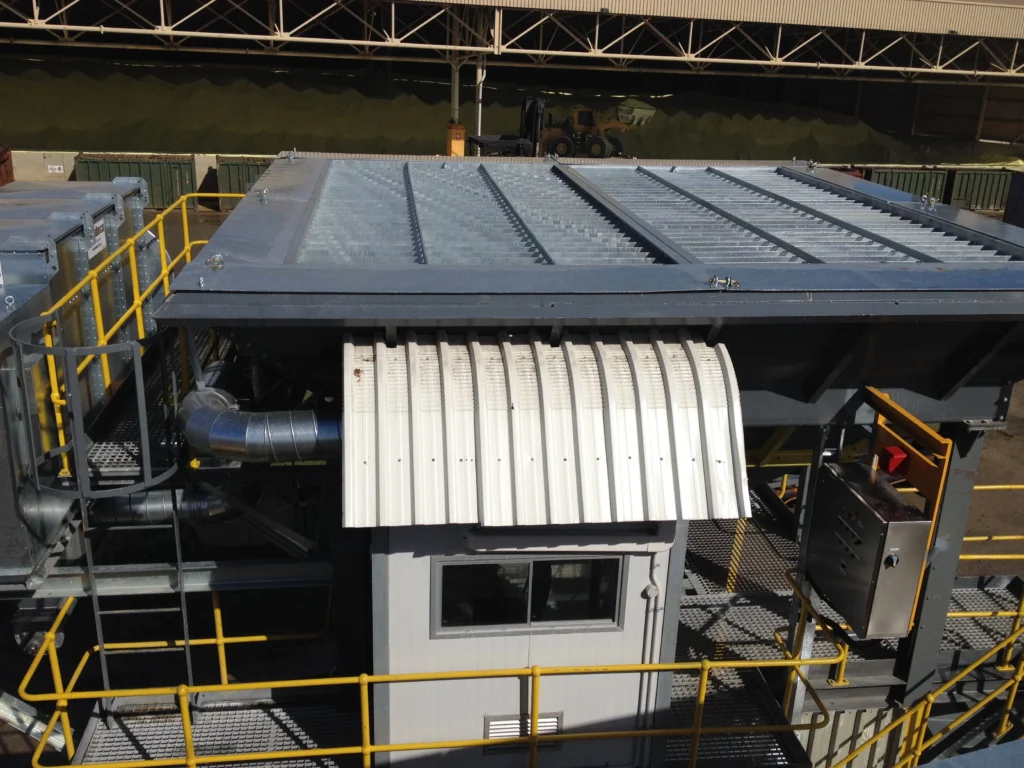
Mideco designs leading mechanical dust suppression solutions for receiving pits and hoppers. Every model is engineered to suit the specific product or material being handled, along with the receiving pit setup, whether that’s a truck, rail or ship grab intake pit, on an existing site or as part of a new project.

That depth of experience in bulk materials handling is what makes the resulting suppression strategies effective in practice, not just on paper. Rather than applying a generic baffle design to every site, Mideco works through the material properties, throughput and pit requirements involved before settling on a configuration.

The Industries That Use Industrial Dust Suppression

Every industry has its own dust profile, its own materials and its own suppression requirements. Mideco’s suppression solutions are used across a wide range of sectors, including:

The materials being handled, the transfer points involved and the receiving pit configuration all vary from one site to the next. That’s why suppression solutions must be engineered to the operation, not applied generically.

Partnering with Mideco for Industrial Dust Suppression Systems

Extensive dust management expertise shapes every solution. Rather than recommending a standard dust suppression system, Mideco analyses the specific dust challenge first and engineers a solution based on site materials, processes, and requirements.

  • Over 60 years of specialist dust management experience
  • Deep technical understanding of different dust types and their behaviours
  • Tailored engineering solutions designed around each facility’s specific requirements
  • Proprietary technologies including Burnley Baffles for dust control at transfer points and receiving areas
  • Expertise in bulk materials handling environments
  • Integrated dust management solutions combining suppression, collection, and control technologies where required
  • End-to-end project support from initial assessment through to installation
  • Ongoing servicing, spare parts, and technical support

Mideco’s focus is on solving complex dust challenges through customised engineering solutions, rather than simply supplying equipment. This approach ensures dust suppression systems continue to perform effectively as operational requirements change.

Request a quote for an engineered industrial dust suppression system designed around your site’s receiving pits, transfer points, and material handling processes.

Frequently Asked Questions

Industrial dust suppression is the practice of preventing dust from becoming airborne at the point where it’s generated, typically during material handling, transfer or unloading. It differs from dust collection, which captures dust once it’s already in the air.

Mechanical suppression devices, such as baffles, are installed at the receiving pit to control airflow during unloading. This reduces dust blowback and helps product flow smoothly as trucks, rail wagons or ship grabs discharge material into the pit.

Dust suppression prevents dust from becoming airborne at the source. Dust collection captures dust that’s already airborne, drawing it through ducts, filters and fans under negative pressure. Many facilities rely on both working together to achieve total dust management.

While dynamic baffle suppression handles the vast majority of dust on its own, adding collection is ideal for facilities aiming for near-zero emissions or total product recovery. Combining a right-sized collection system captures the minor residual dust such as fine particulates carried by crosswinds or product impact at hopper gratings, allowing sites to reclaim valuable product while dramatically reducing the energy needed to run heavy extraction fans.

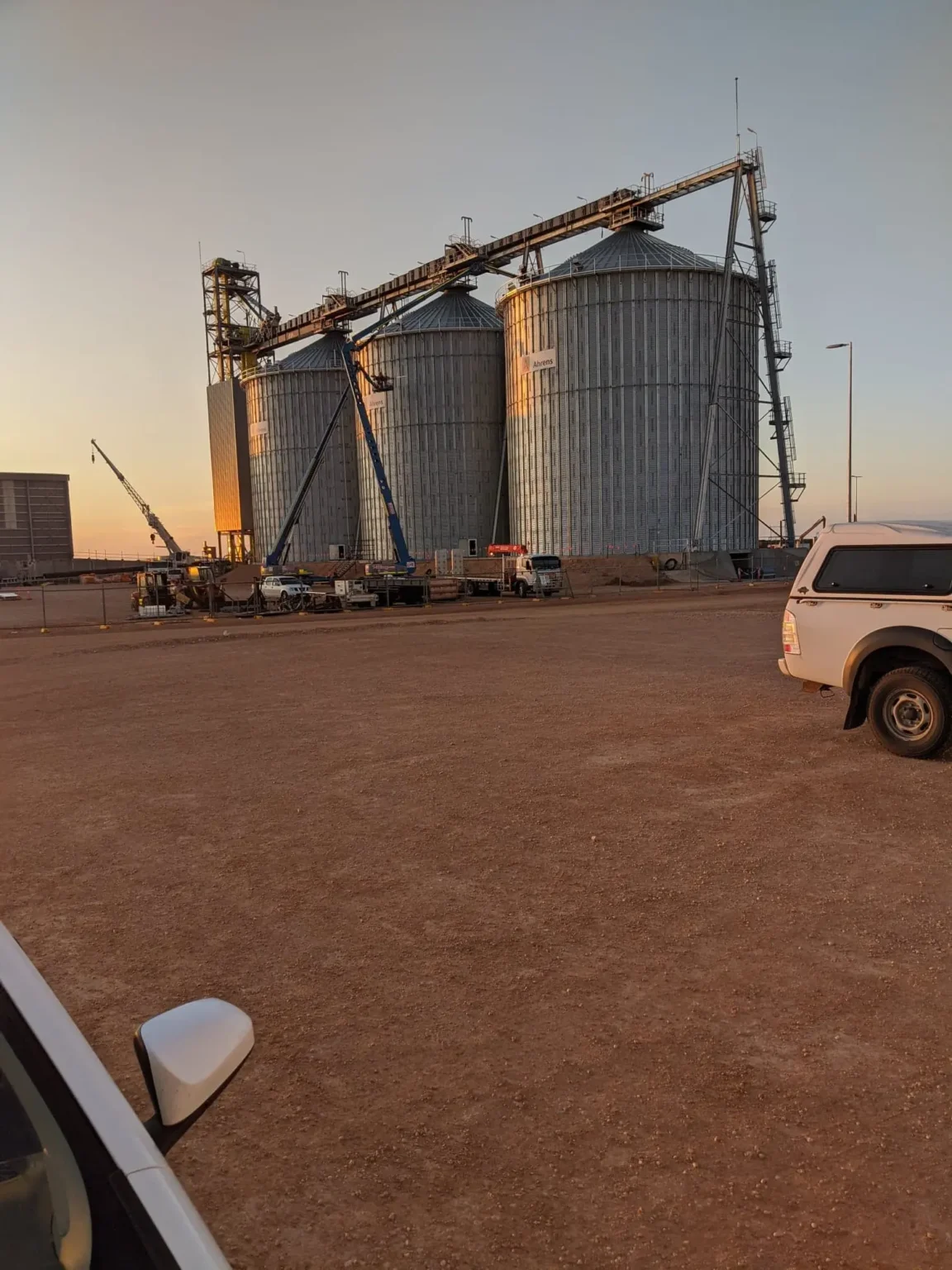
Grain handling, bulk materials handling, ports and terminals, mining, quarrying, cement manufacturing, fertiliser production, manufacturing and mineral processing all generate dust that benefits from an engineered suppression system.

Yes. Every Burnley Baffles model is engineered around the specific material being handled and the receiving pit configuration, whether that’s an existing site or a new project.

Contact us

Ready to elevate your workplace?

Contact Mideco for innovative dust management solutions.

"*" indicates required fields

This field is for validation purposes and should be left unchanged.
Name*
How did you hear about us?*