Branded products
Dust control solutions
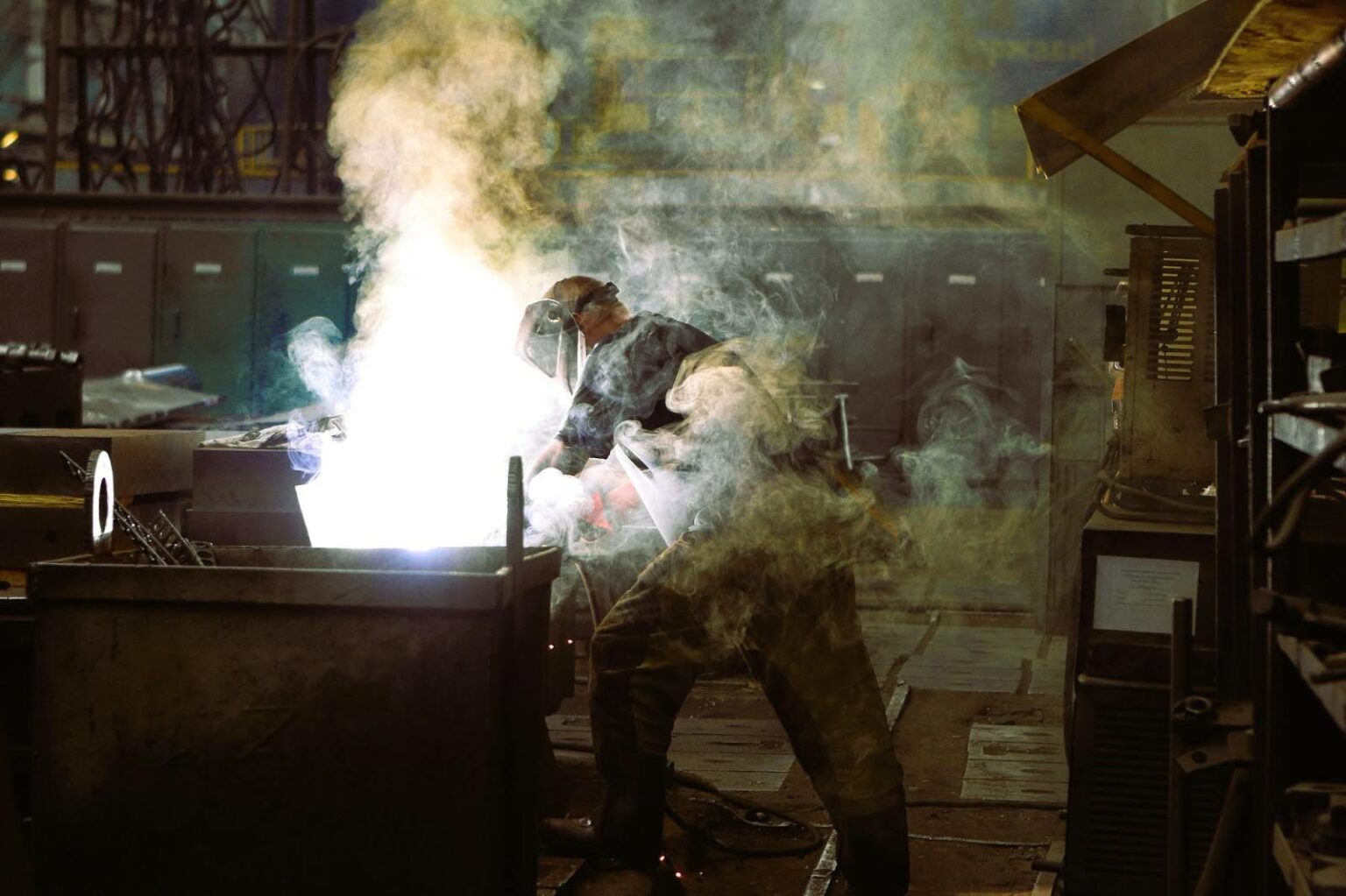
Industrial operations generate airborne dust at every stage. Processing, conveying, crushing, screening, storage, loading and unloading all produce particles that, without proper management, spread throughout a facility and affect the people and equipment within it.
The consequences go beyond housekeeping. Workers will be exposed to respirable dust, equipment degrades faster and regulatory requirements become harder to meet. Industrial dust collection systems are how facilities manage that. They capture and remove dust before it spreads or gets released to the atmosphere.
Effective dust management goes further than simply installing a collector. It requires a complete understanding of the dust being generated, where it comes from and how to control it at the source.
Enquire nowIndustrial dust collection systems capture airborne fugitive dust and remove it from the air stream. They operate under negative pressure, using collectors, filters, ducts and fans to prevent harmful particles from entering the atmosphere and to recover valuable granular solids from process streams.
Dust collection is just one component of broader dust management – your approach needs to match the type of dust being generated. Different dusts require different methods:
Understanding the characteristics of the dust being generated is where effective management starts. A system designed for one dust type won’t necessarily work for another.
Airborne dust creates health and safety risks for workers in processing and handling environments. Fine particulate, including respirable crystalline silica (RCS), can remain suspended and be inhaled without any visible sign of contamination. Over time, that exposure leads to serious long-term health consequences.
Dust accumulation affects equipment, reduces airflow through mechanical systems, increases maintenance requirements, and contributes to unplanned downtime. In high-volume operations, these effects compound quickly.
Many facilities operate under environmental and workplace exposure requirements that restrict dust emissions. Without structured dust management, staying within those limits becomes difficult to demonstrate and harder to achieve.
Excessive dust settlement across surfaces, walkways, and equipment means higher cleaning costs, greater strain on operational teams, and the ongoing risk of settled dust being re-suspended during daily activities.
Mideco’s focus is managing fugitive dust problems, not simply supplying equipment. Solutions are designed around the specific operational challenges a facility faces, taking into account dust type, generation points, and the practical requirements of the environment.
Mideco has worked across:
The outcome in each case is a dust management system tailored to the material, the facility, and the operation.
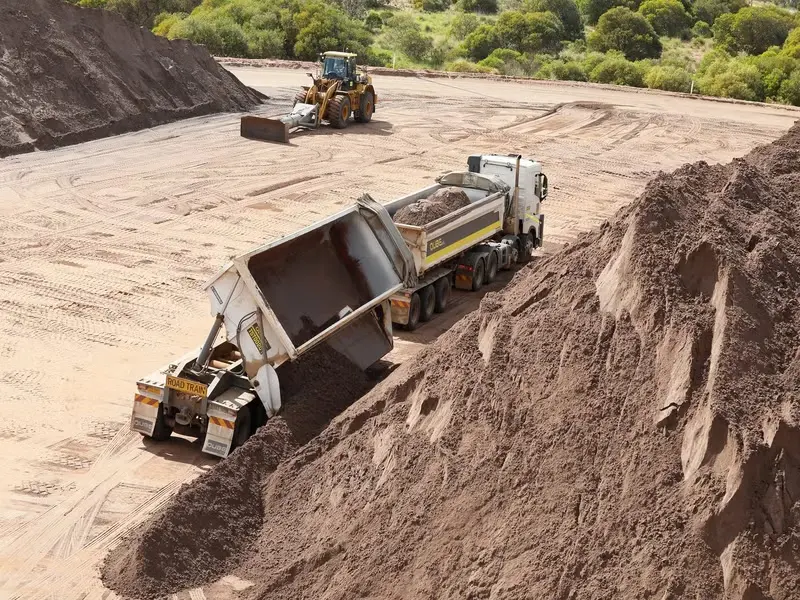
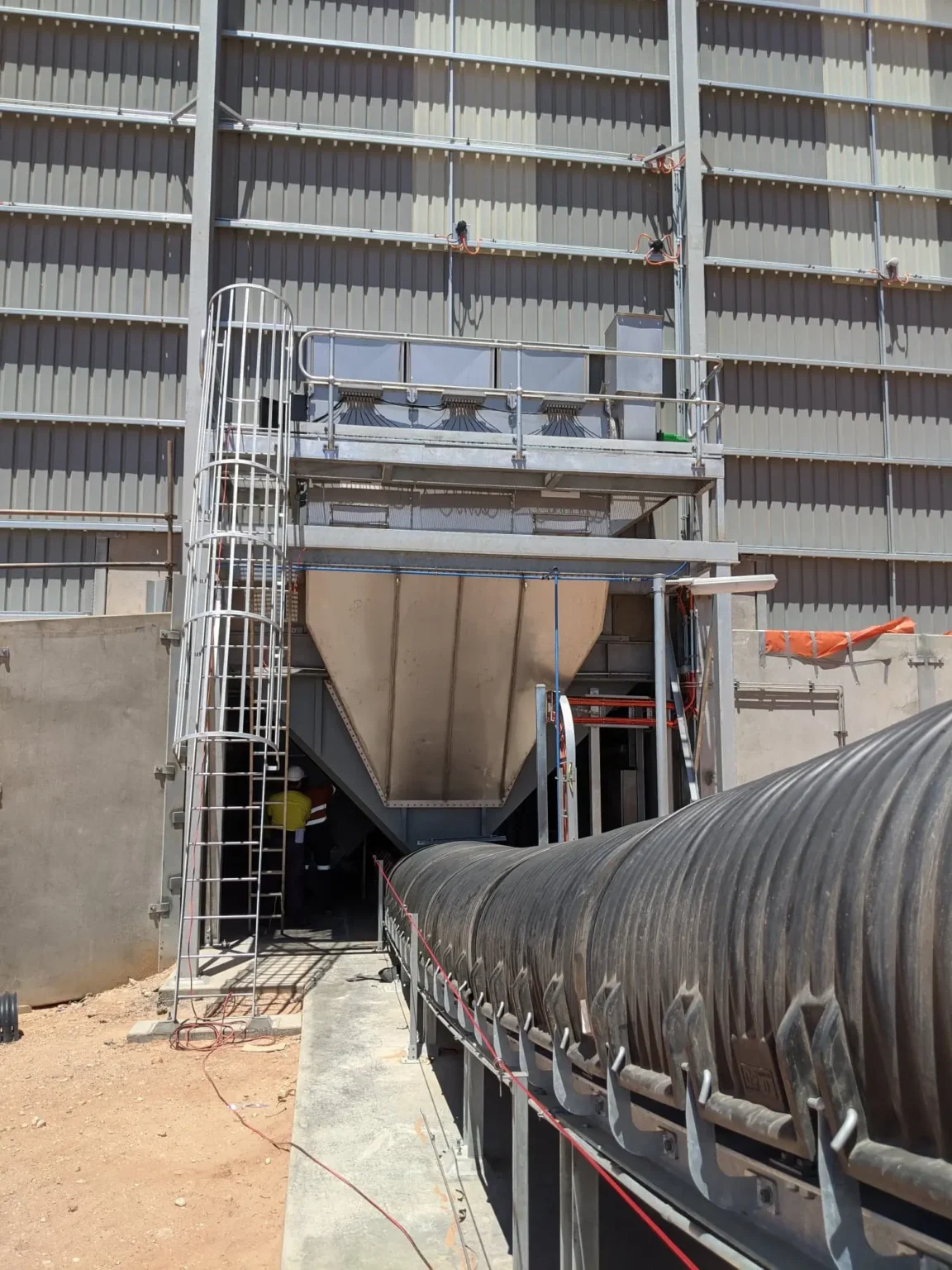
Burnley Baffles are Mideco’s proprietary dust suppression technology, engineered for receiving pits and material transfer points where bulk materials are unloaded.
Rather than capturing dust after it becomes airborne, Burnley Baffles prevent it from escaping the receiving pit in the first place. They manage airflow within the hopper during unloading, controlling the air displacement that drives dust emissions at the point of impact.
In bulk material handling environments, Burnley Baffles alone can reduce dust emissions at the source by up to 80%. Combined with a dust collection system, they close the loop on emissions at transfer points entirely.
They are particularly effective in situations where traditional extraction-only approaches struggle to contain dust or become expensive and bulky to run at the required capacity.
Dust that settles on workers’ clothing becomes a secondary contamination source, carried through the facility into vehicles, offices, and home environments.
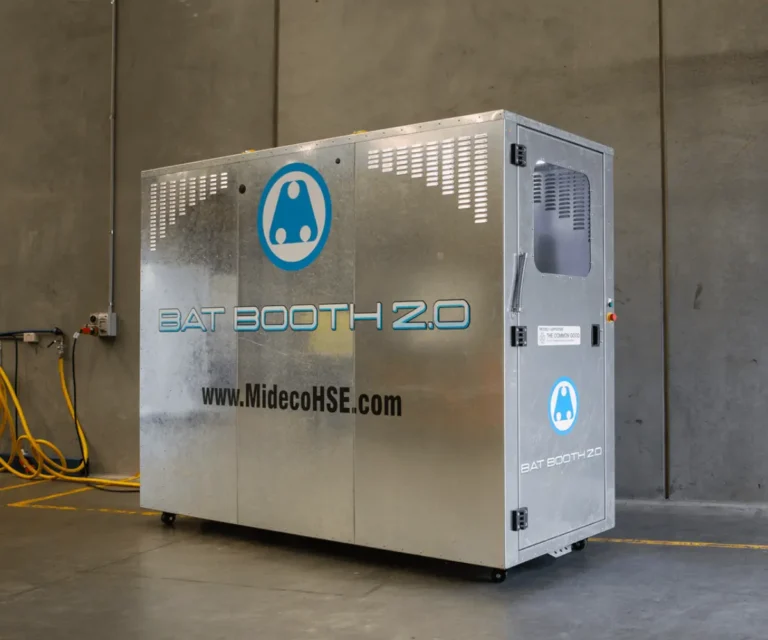
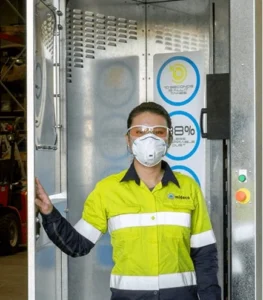
The Bat Booth is a dedicated personnel de-dusting system that removes respirable dust from workers’ clothing and body surfaces using controlled, filtered air jets. A full de-dusting cycle takes 10 seconds, making it practical to integrate into daily site routines without disrupting shift flow.
As the first layer in a personnel protection strategy, the Bat Booth addresses the individual worker as a contamination pathway, complementing the facility-level controls installed across the site.
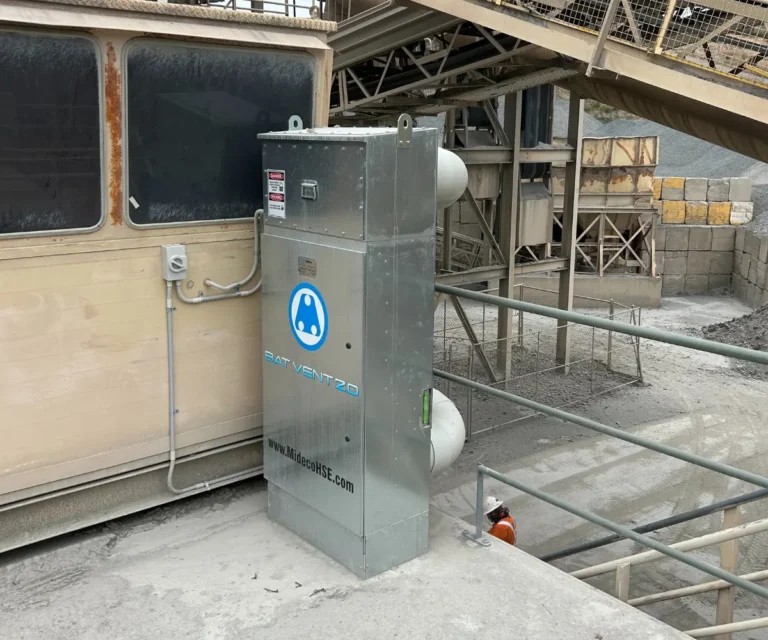
Control rooms, site offices, and breakrooms near active dust zones face a different problem. Workers in those spaces may not be directly generating dust, but infiltration through ventilation, doorways, and building gaps creates ongoing exposure for the people inside.
The Bat Vent system addresses this by pressurising and filtering the air entering enclosed spaces. By creating a positive pressure barrier while filtering incoming air, it keeps hazardous dust, including fine silica particulate, outside the building.
Bat Vent works alongside the Bat Booth as a second layer in personnel protection, covering the indirect and administrative workers who may not be on the workshop floor but are still affected by the dust environment around them.
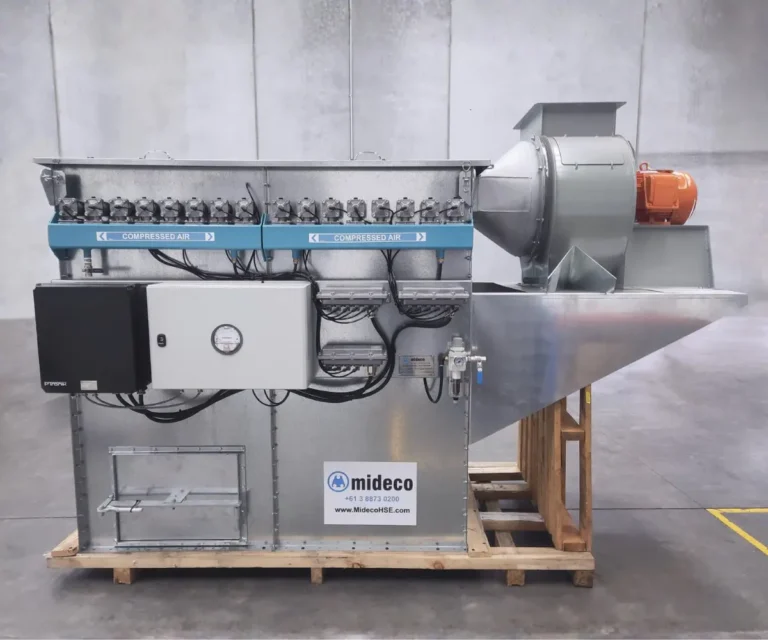
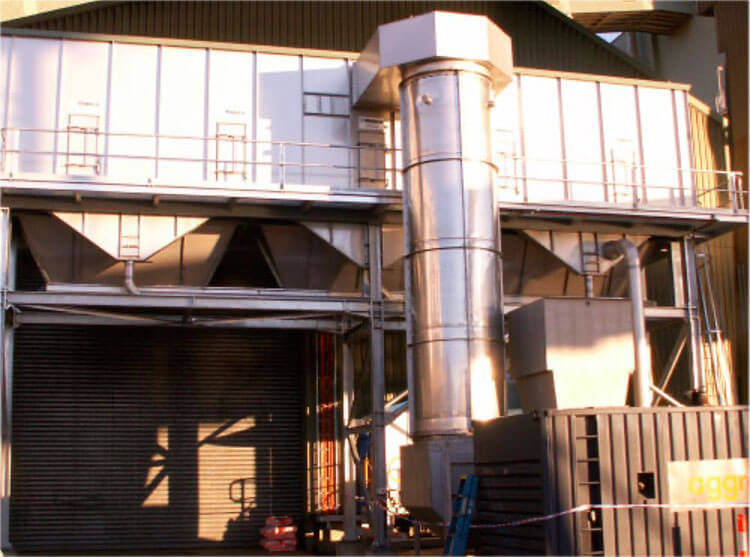
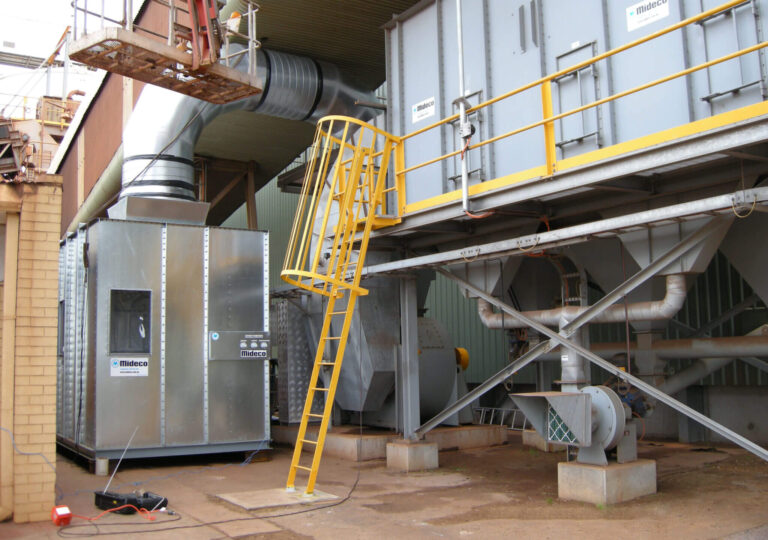
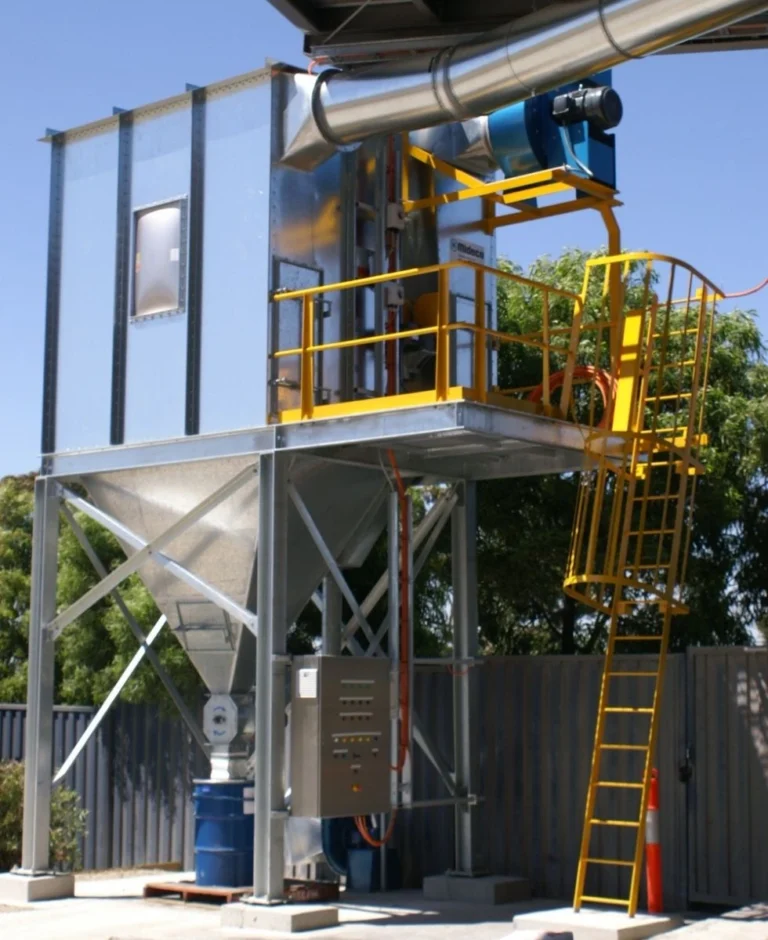
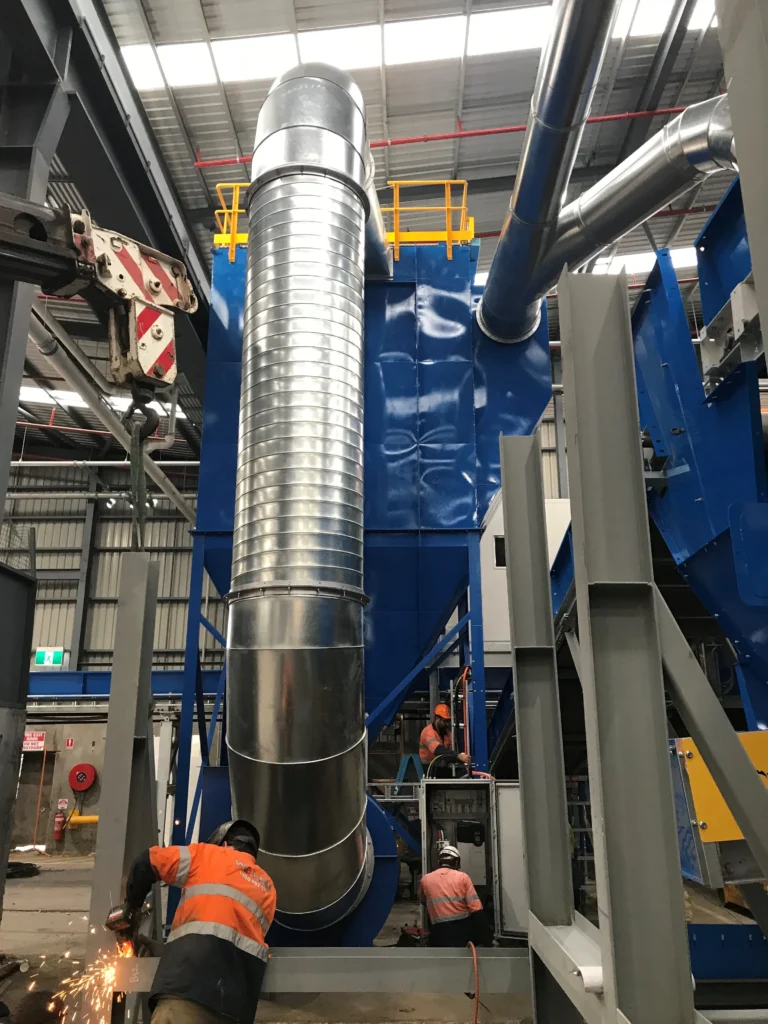
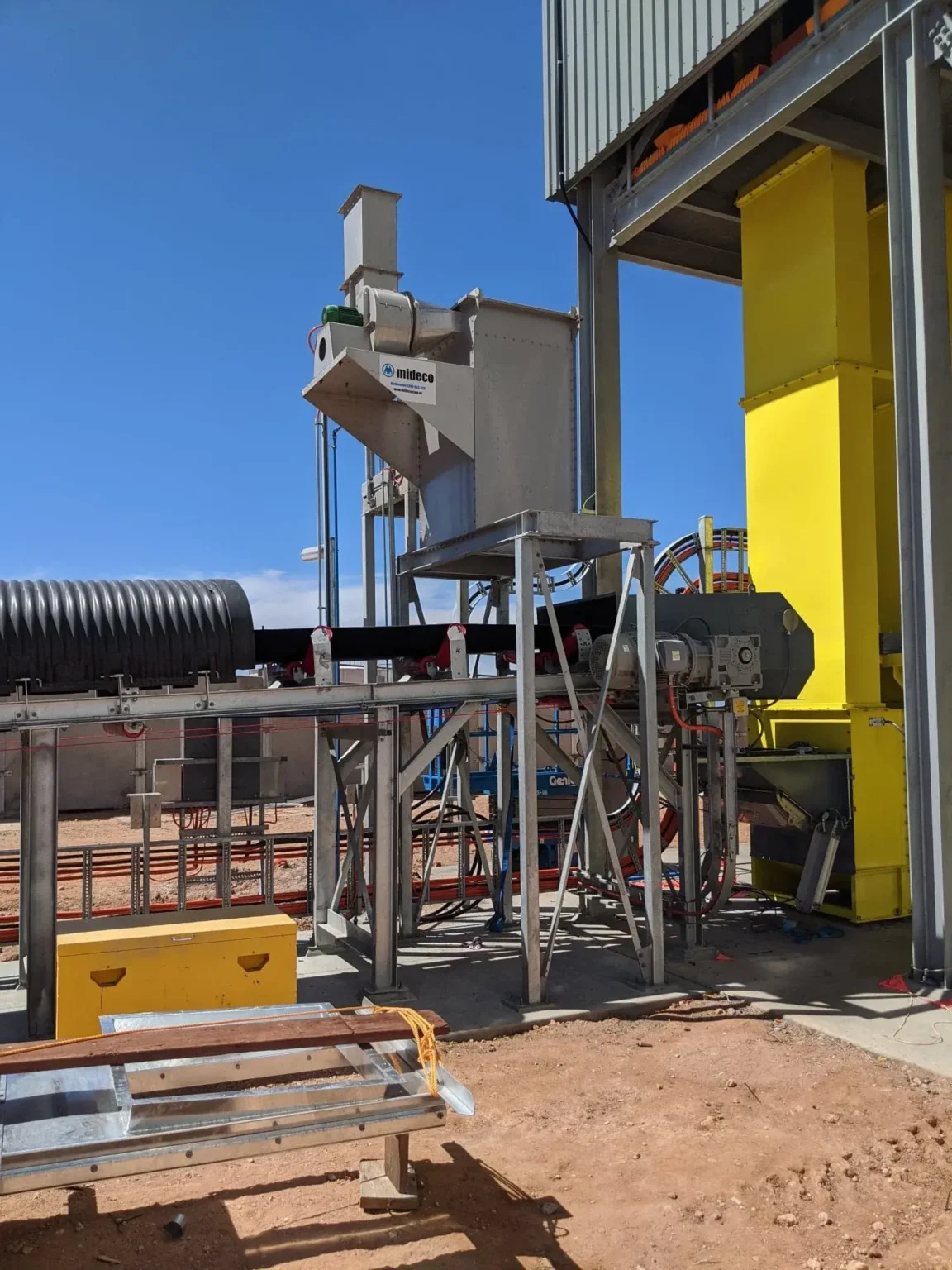
Dust collectors form the backbone of industrial dust collection systems. Mideco’s range covers different dust volumes, particle sizes, and facility configurations.
Economy Filters (ECP): Suited to finer airborne particulate in bulk material handling and processing environments. Reliable, low-maintenance performance with effective filtration across a range of industrial applications.
Reverse Air Filters: Designed for higher-volume dust loads, particularly where continuous operation and consistent airflow performance are required.
Tubular Pulse Filters: Suited to fine dust applications requiring high filtration efficiency with a low pressure drop across the system.
Together, these collectors form the filtration backbone of an industrial dust collection system, capturing what suppression and pre-separation leave behind.
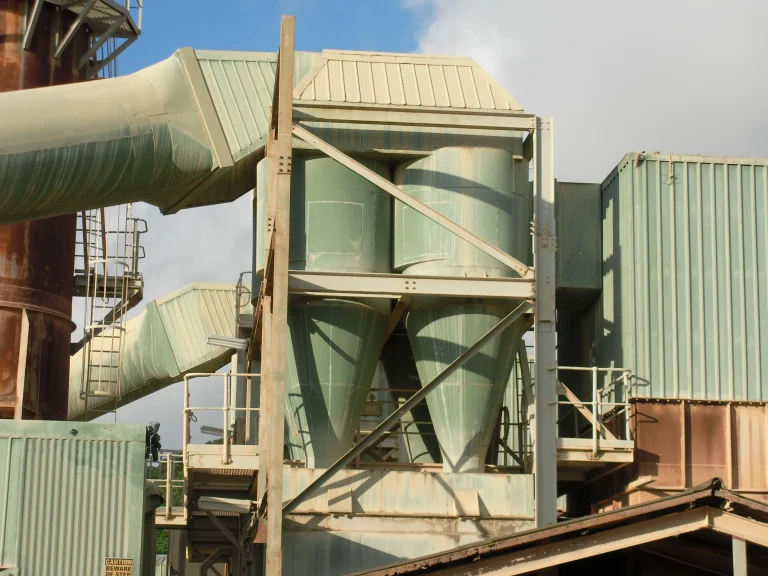
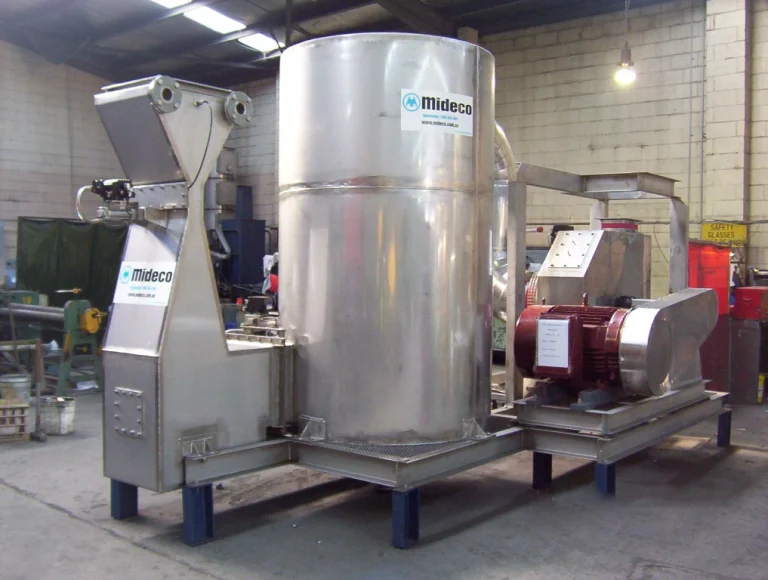
Mideclones use centrifugal separation to remove heavier, coarser particles from the air stream before they reach downstream filtration systems.
They act as a pre-filter stage, protecting Economy Filters, Reverse Air Filters, and Tubular Pulse Filters from overload and premature wear. By removing coarse particulate early in the process, Mideclones extend filter life, maintain airflow consistency, and reduce the frequency of maintenance interventions across the system.
In environments handling mixed dust loads, including coarse mineral dust alongside fine particulate, Mideclone systems form a core component of the overall collection strategy.
Industrial dust collection challenges appear across a wide range of sectors. Mideco works with clients in:
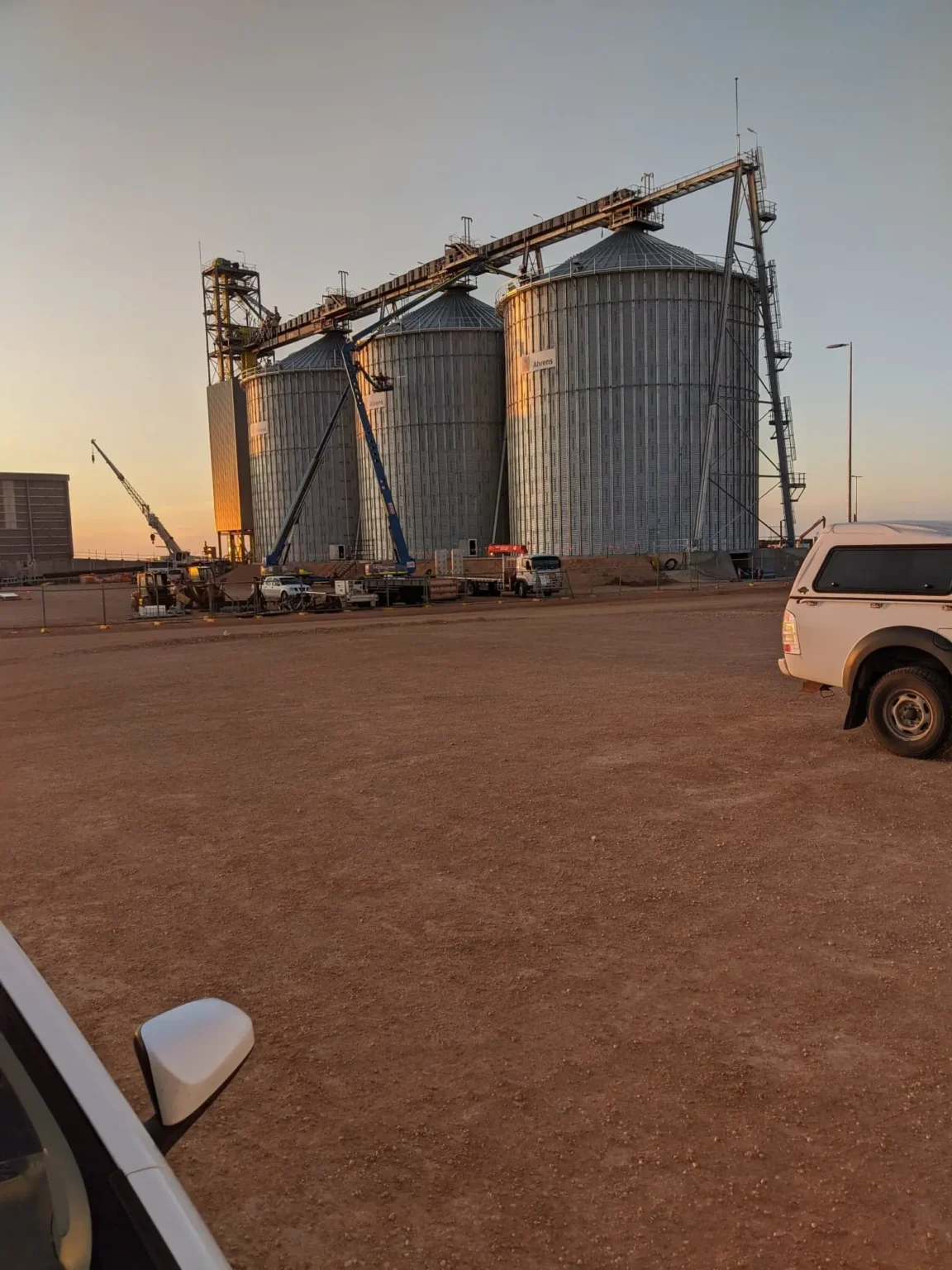
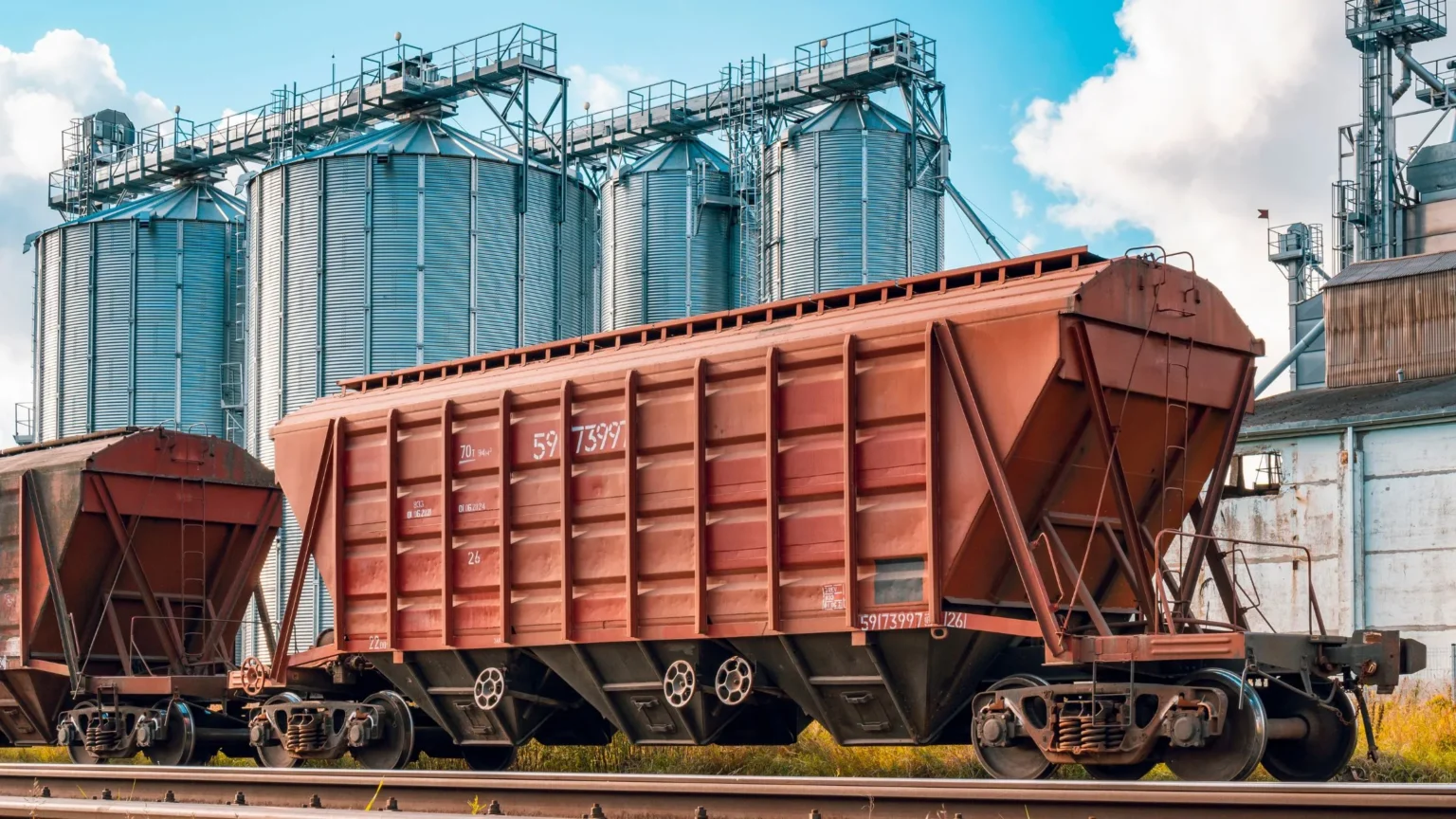
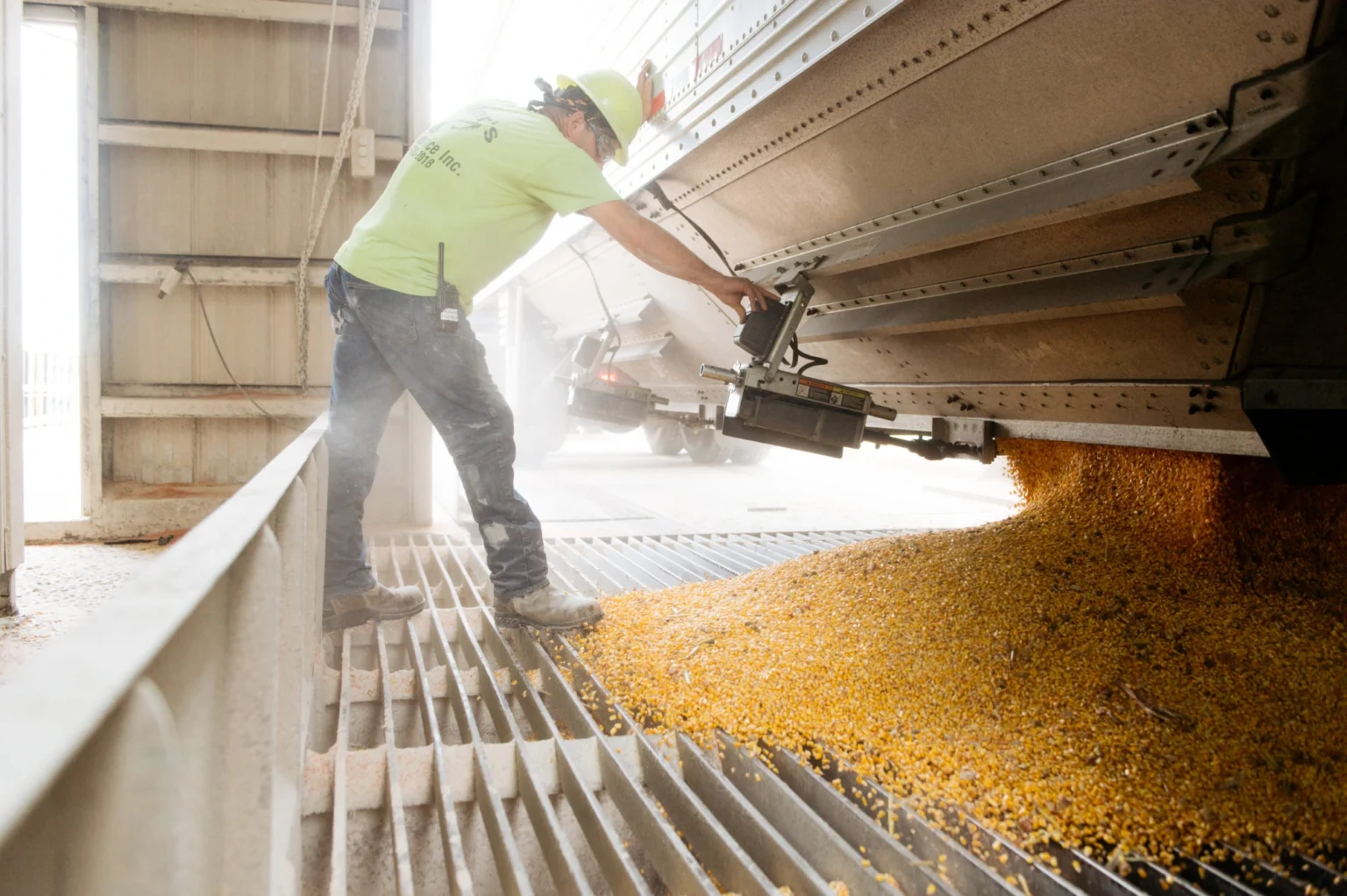
Each industry produces different dust types at different volumes, from the fine silica generated in quarrying and crushing operations to the combustible organic dust in grain handling facilities. Solutions are tailored to the specific demands of your environment, whether that is a large-scale processing plant, an industrial workshop, or a bulk materials warehouse.
Mideco has over 60 years of dust management expertise across industrial and bulk handling operations. That experience shapes how every solution is developed. Rather than recommending a standard product range, Mideco analyses the dust problem first, then engineers a system around it. Key differentiators include:
Industrial dust collection systems capture airborne fugitive dust and remove it from the air stream using collectors, filters, ducts, and fans operating under negative pressure. They prevent harmful particles from entering the atmosphere and help facilities maintain safe, compliant air quality.
Dust collection systems draw dust-laden air through ducting using controlled negative pressure. Dust is removed from the air stream using filtration or centrifugal separation technology, and clean air is safely returned to the environment.
Industrial dust collection systems are used across mining, quarrying, grain handling, agriculture, cement manufacturing, bulk materials handling, fertiliser production, manufacturing, and mineral processing, among others.
Bulk material handling typically requires a layered approach. Burnley Baffles suppress dust at receiving pits and transfer points, Mideclone pre-separators handle coarse particulate, and Economy Filters or Reverse Air Filters capture fine dust downstream. The right combination depends on the material, throughput volumes, and facility layout.
By capturing dust before it spreads, collection systems reduce airborne particle concentrations, limit worker exposure to respirable dust including silica and coal, and support compliance with workplace exposure standards. Personnel de-dusting systems such as the Bat Booth extend that protection to individual workers at transition points between dusty and clean zones.
Yes. Mideco engineers dust management solutions around the specific dust characteristics, airflow requirements, facility layout, and operational processes of each site. There is no single off-the-shelf configuration that suits all applications.
Ready to elevate your workplace?
Contact Mideco for innovative dust management solutions.
"*" indicates required fields