Home » Industries » Recycling Facility Dust Control

Recycling Facility Dust Control

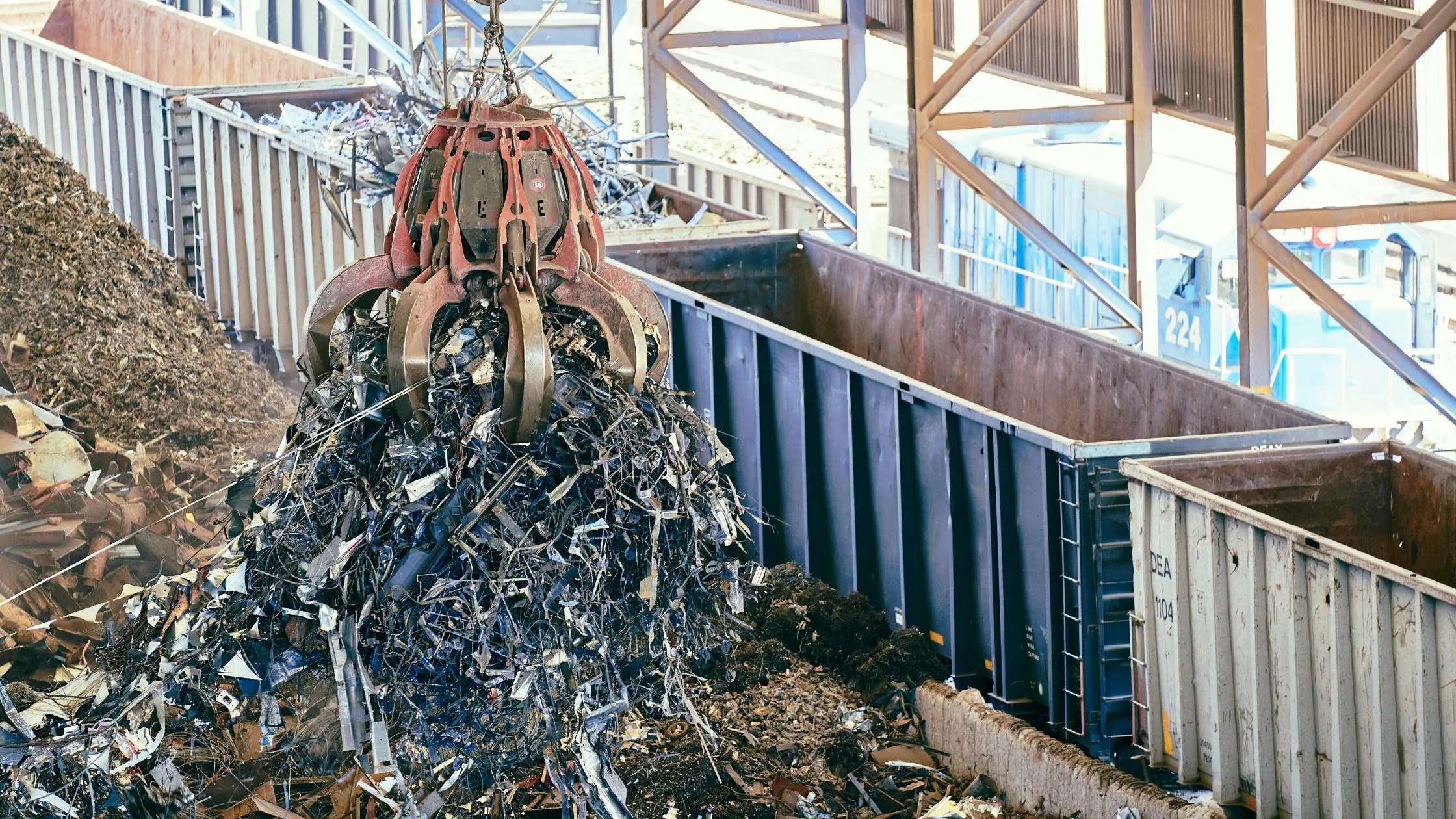
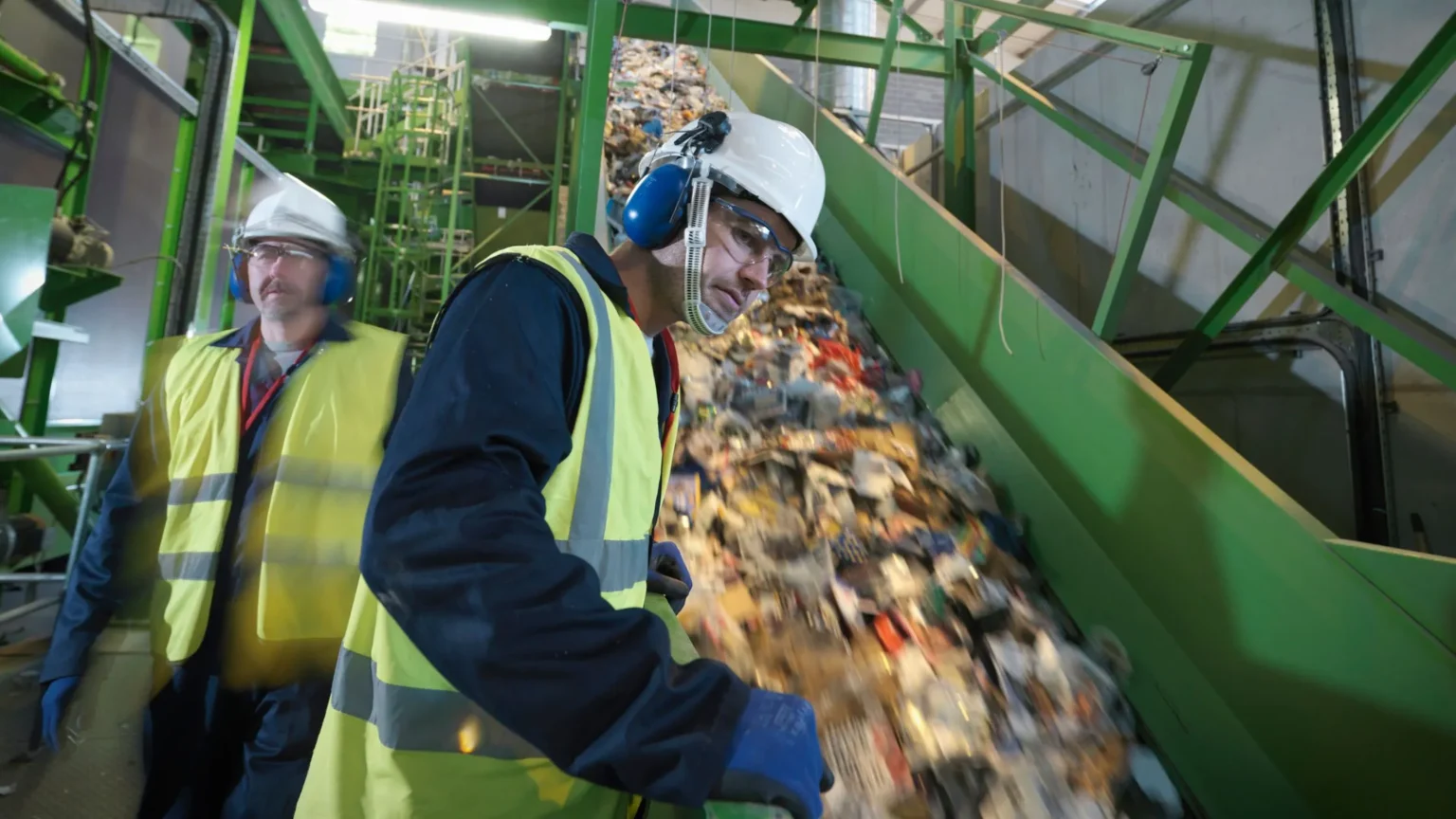
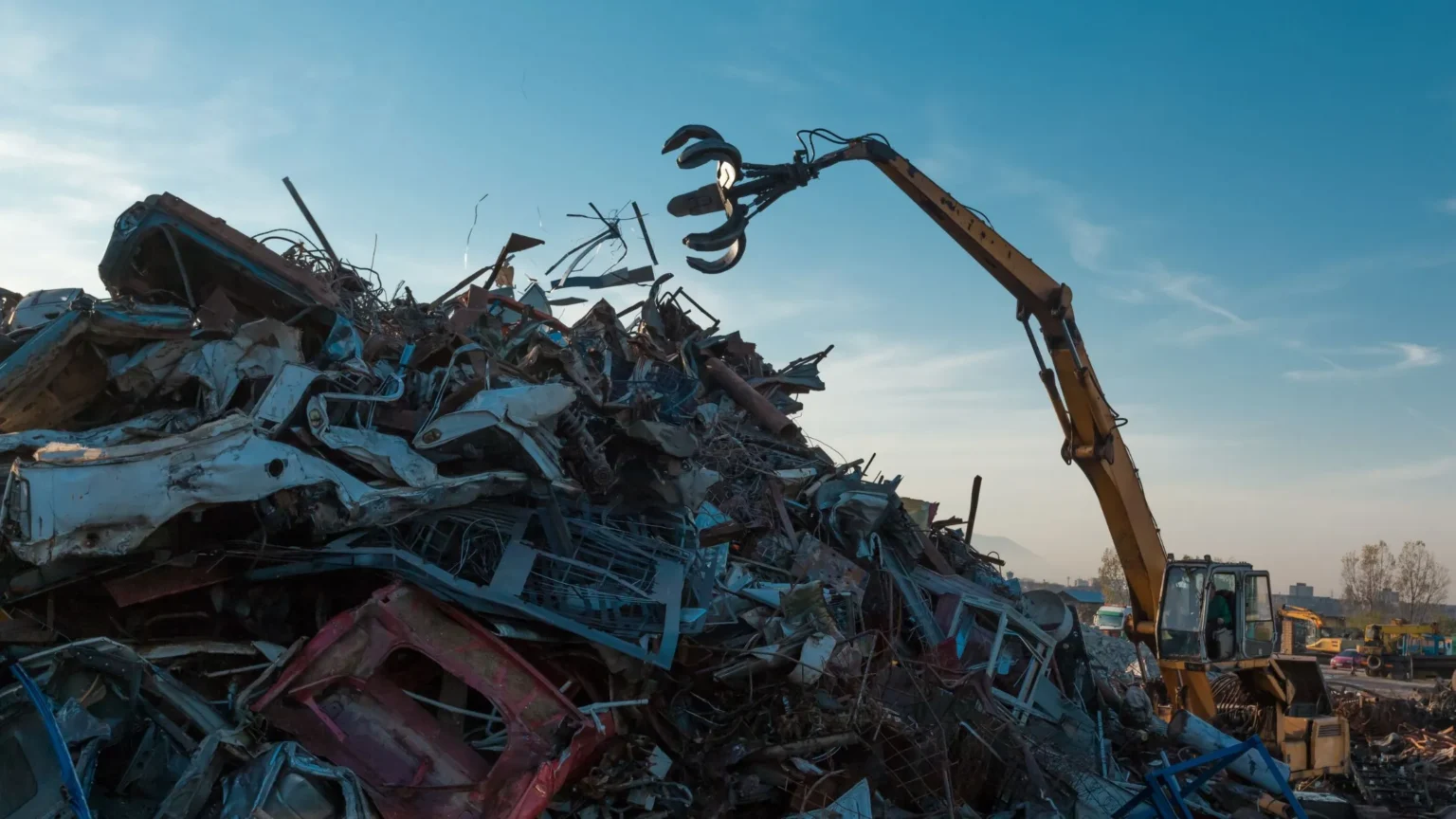
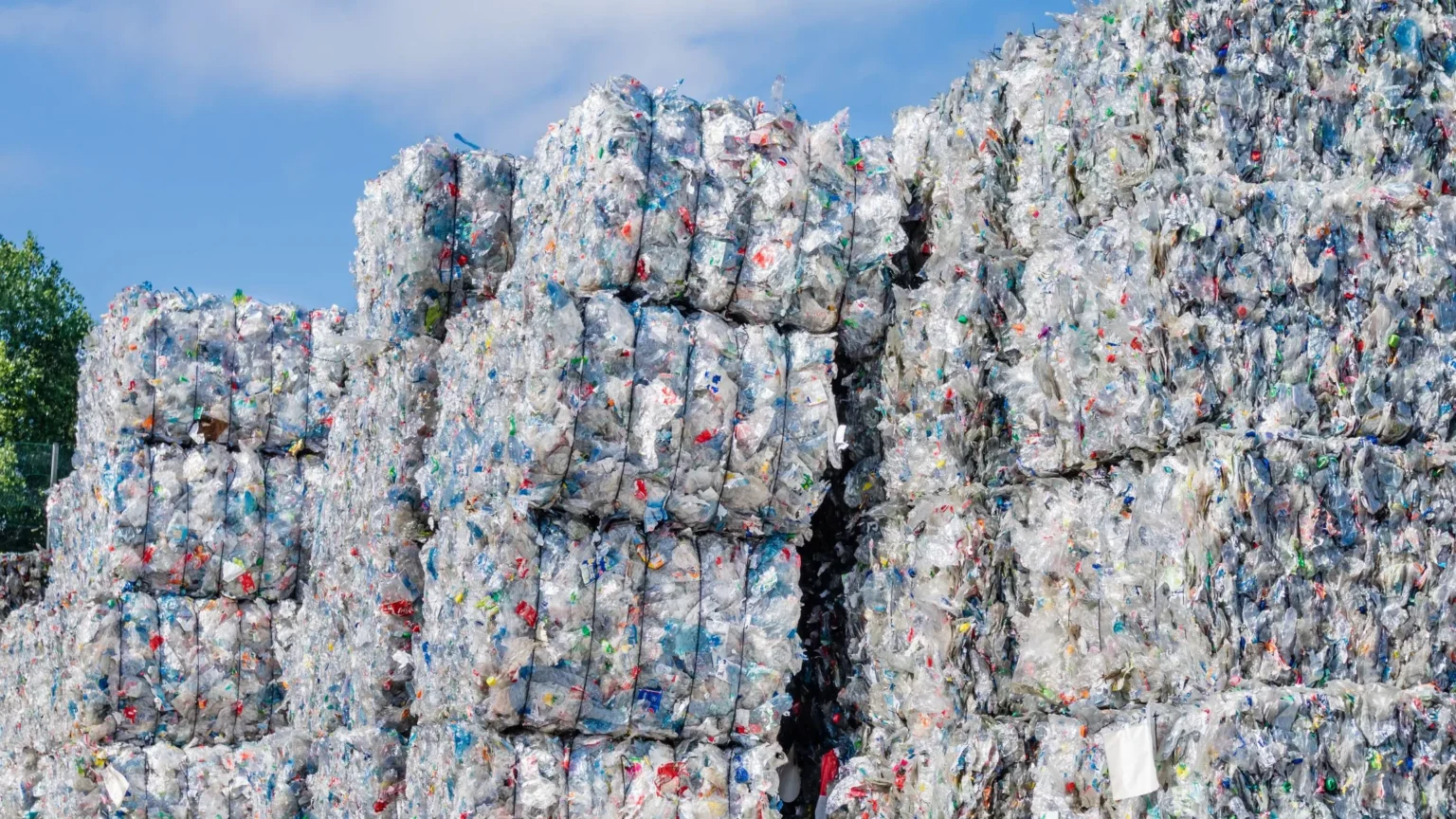
Recycling facilities are fundamental to modern waste management and resource recovery. They process substantial volumes of materials, all to be reintroduced back into manufacturing and production cycles. Operations span all kinds of recyclables, including metal, plastic, glass, electronic waste (e-waste), concrete, wood and paper.

Without proper recycling facility dust control in place, particles can spread rapidly throughout processing areas, impacting workers, equipment and surrounding environments. That’s why integrated dust collection systems in recycling facilities are absolutely essential.

Watch video

Assessing Dust-Generating Areas in Recycling Facilities

Dust is created at many different points throughout the recycling process, so system-wide control becomes essential.

Shredding and Crushing Operations

High-energy size reduction processes generate significant volumes of both fine and coarse dust.

Conveyor Transfer Points

Material transfer between conveyors creates turbulence, releasing airborne particulate matter into the surrounding environment.

Sorting and Screening Systems

Mechanical separation and vibration processes release fine dust particles during material classification.

Material Handling & Loading Areas

Loading, unloading and transport activities disturb settled dust and contribute to airborne emissions.

Waste Storage and Stockpile Areas

Wind exposure and repeated material movement increase dust dispersion across outdoor and semi-enclosed environments.

Enquire now

"Mideco provided effective routine servicing of our smelter Bat Booths, keeping the equipment operational and enabling personnel to safely utilise them for dust management. They are also very flexible with servicing coordination and always easy to contact."

Jake Dalla Valle
Asset Management Planner, BHP Olympic Dam

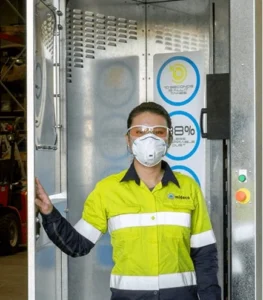
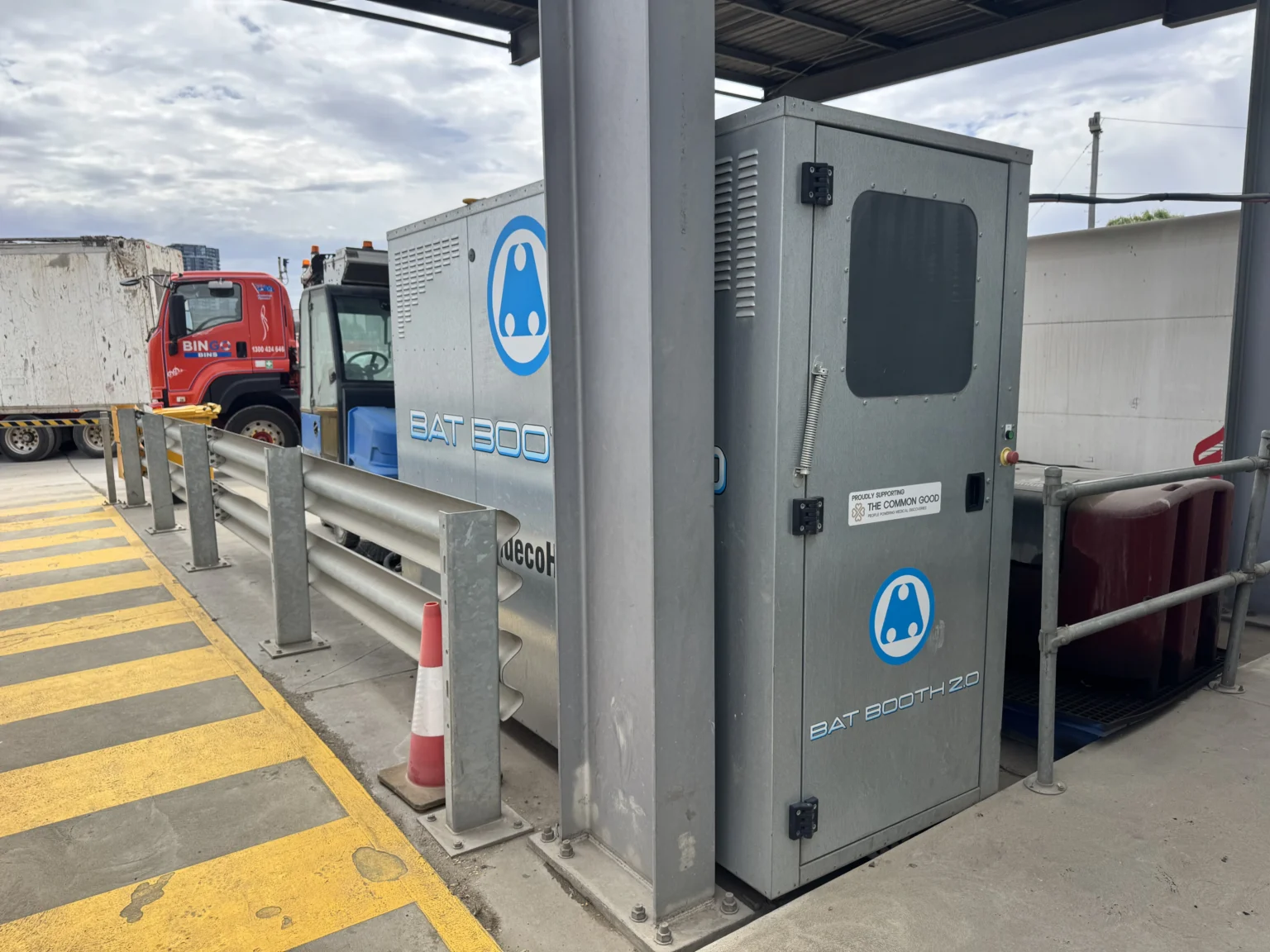
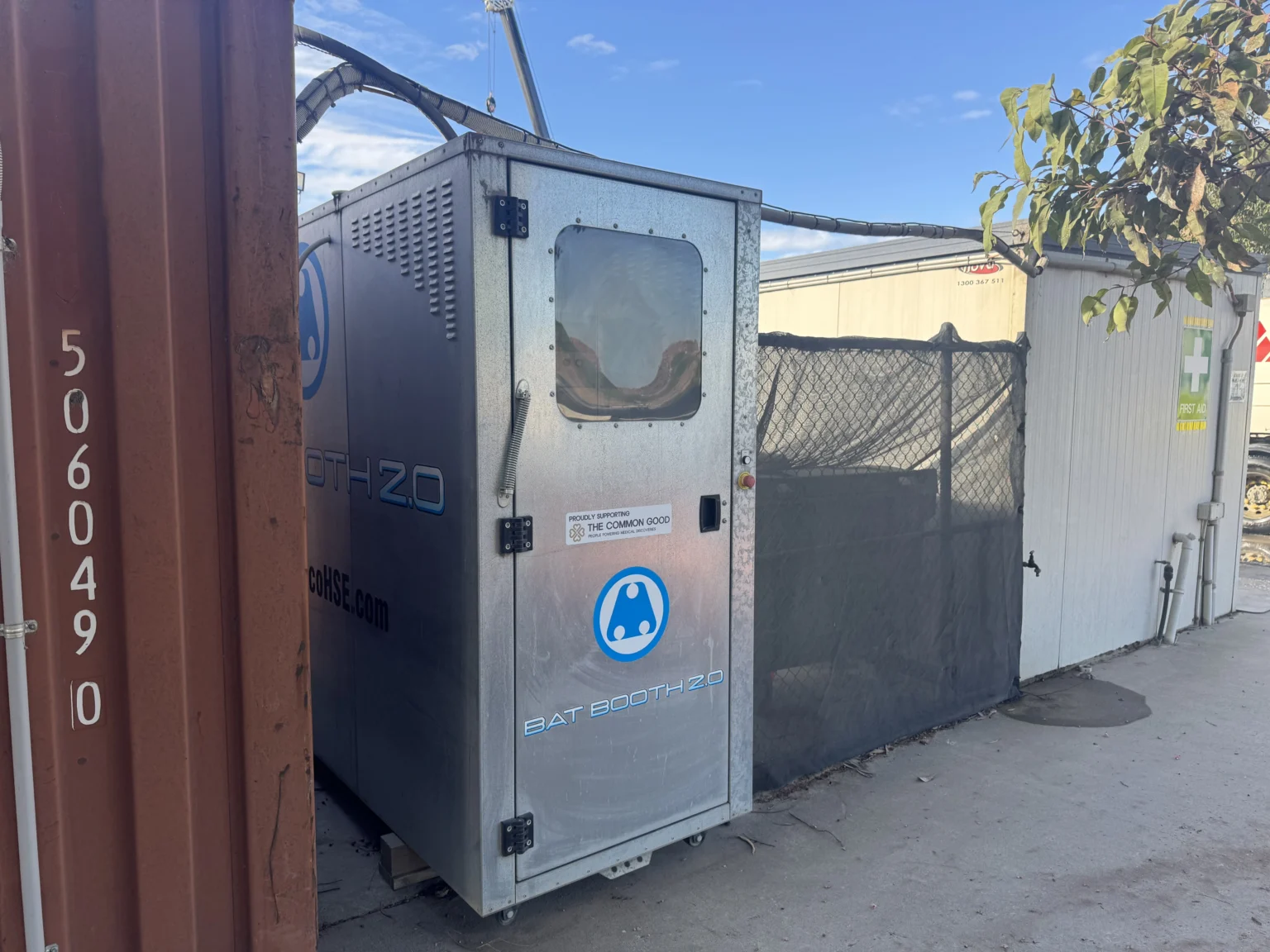
“The Bat Booth is actually unreal. We have got night shift workers, and it’s a lot faster and more efficient to use. Instead of relying on a simple handgun, this equipment really gets the job done quickly and effectively.”

Alex Stevenson
Leading Hand, Hanson Wolffdene Quarry

“The Bat Booth is very good. The maintenance guys use it the most because they get covered in dust and dirt during their work. It makes a huge difference in keeping them clean and comfortable. They really appreciate how effective it is for that purpose.”

John Taylor
Quarry Manager, Hanson Ferny Grove Quarry

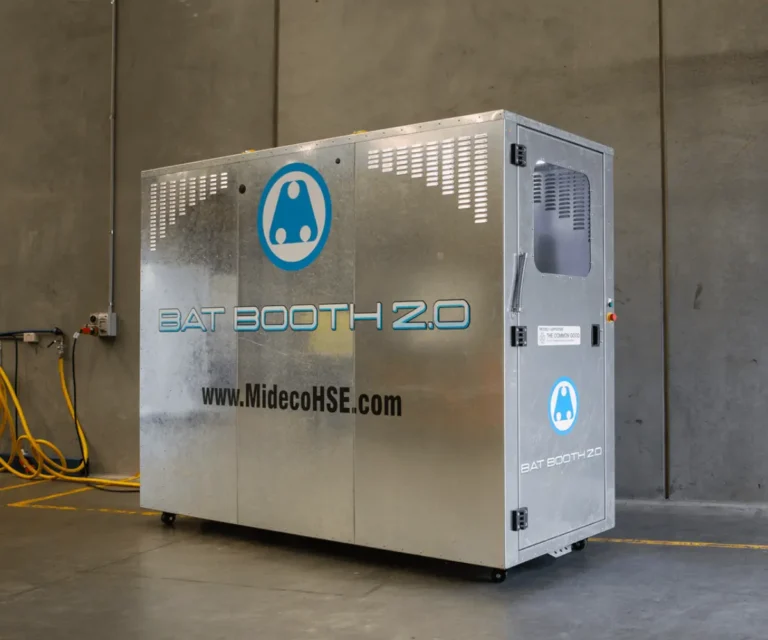
“Bat Booth has been a great installation here at Glasshouse. It's allowed our guys at the end of the day, after they've done their maintenance and before they jump into their vehicles and head home to their families, to lock out of the MCC room and come into the Bat Booth and be de-dusted... to make sure that we're not increasing their exposure of respirable dust.”

Chris Wilson
Quarry Manager, Hanson Glasshouse Quarry

“We have used the Burnley Baffles successfully on several projects.”

Senior Project Manager, AMG, Inc.

The Problem:  Recycling Facility Dust Control

Complex dust control challenges are found throughout the recycling facility dust control process. This is commonly due to the variation of incoming materials and processing conditions. The main challenges include:

  • Managing mixed-material dust streams with varying particle sizes and properties
  • Increased risk of combustible dust hazards, particularly from paper, plastics, and organics
  • Fine particulate matter impacting indoor air quality and visibility
  • Dust accumulation leading to equipment wear, blockages, and increased maintenance requirements
  • Compliance with strict worker health and safety, and environmental regulations
  • Controlling odours and airborne contaminants in enclosed or semi-enclosed facilities

Deploy Professional-Grade Dust Control Systems

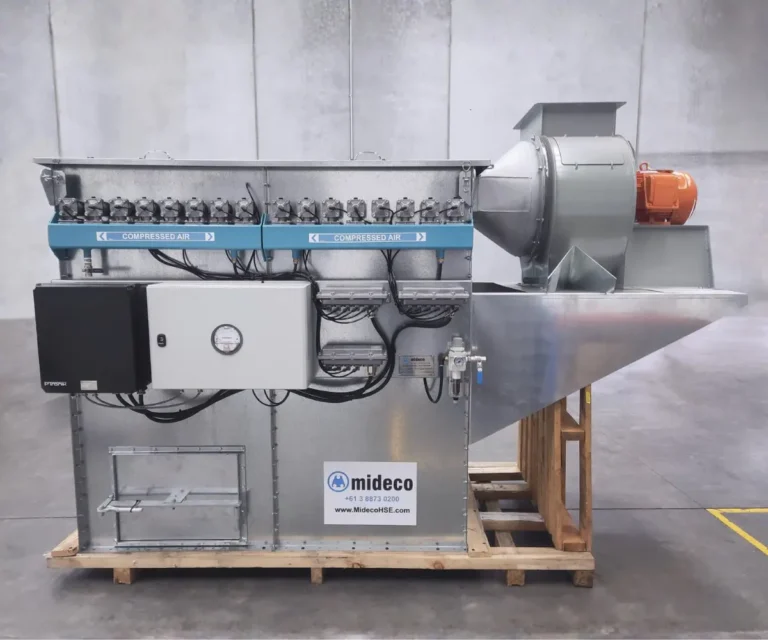
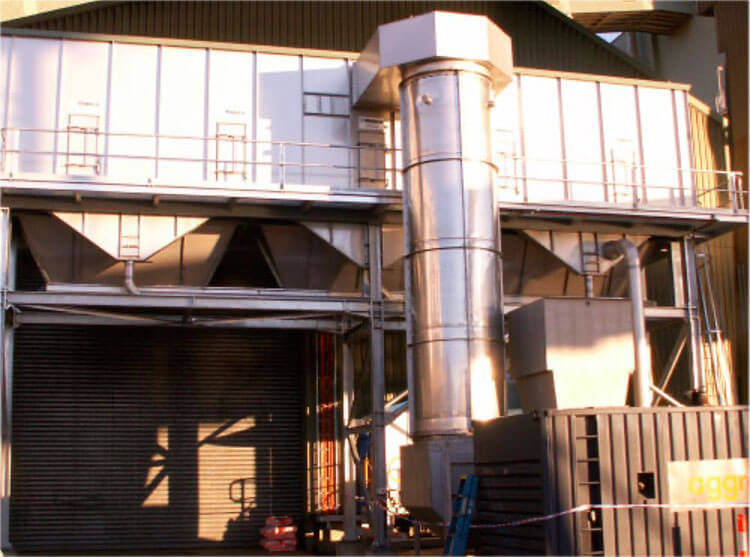
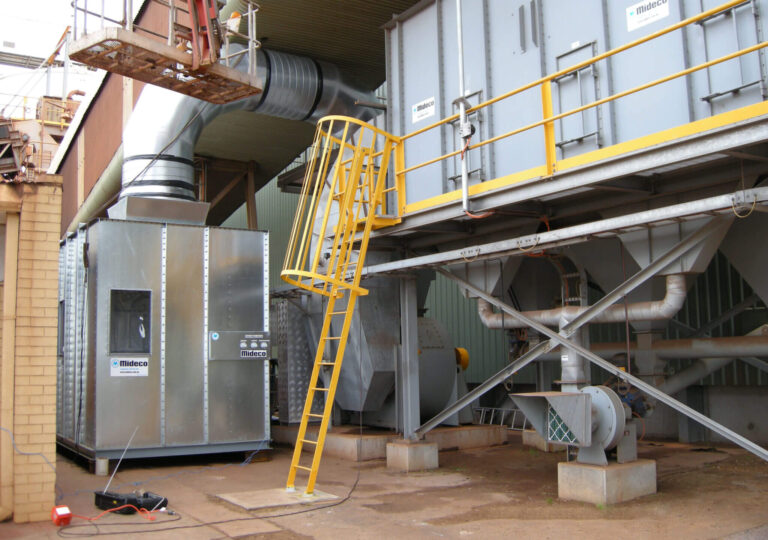
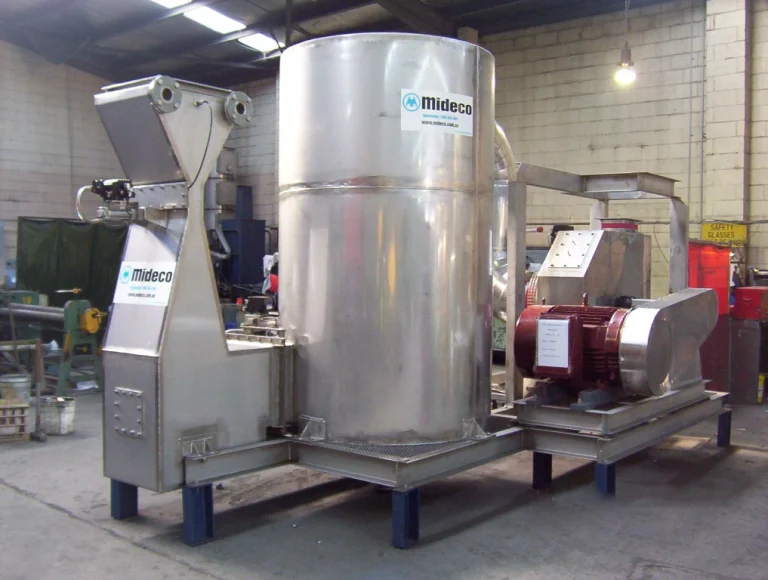
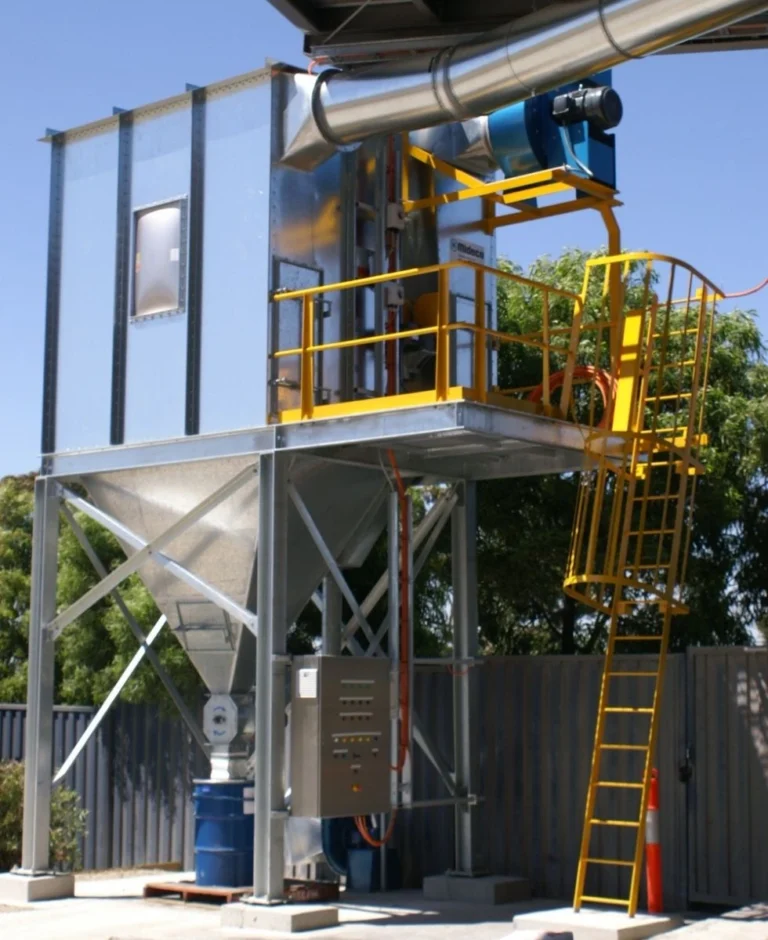
A complete recycling dust control strategy should be a combination of separate technologies, each there to manage fine and coarse particulate matter.

Getting More From Your Dust Management

Effective recycling facilities dust control relies on equipment selection as well as system design. Getting this right is a practical, straightforward way of safeguarding operations. Best practices include:

  • Positioning dust collection systems close to primary dust generation points
  • Selecting filtration systems based on material type and dust behaviour
  • Using enclosed conveyors and transfer systems where possible
  • Maintaining regular inspection and filter replacement schedules
  • Monitoring airflow, pressure, and system performance over time

Partner with Mideco for Recycling Dust Solutions

Investing in advanced recycling facility dust control solutions creates cleaner air, improved safety outcomes and long-term operational reliability.

Contact Mideco today for a customised recycling dust collection solution that redefines the safety of your business.

Extensive Dust Collection Solutions

Mideco designs engineered dust management systems for complex recycling and waste-processing environments. The same technology integrates across high-exposure industries, including:

Our engineering approach ensures each system is tailored to the specific dust profile, material flow, and facility layout.

Contact us

Ready to elevate your workplace?

Contact Mideco for innovative dust management solutions.

"*" indicates required fields

This field is for validation purposes and should be left unchanged.
Name*
How did you hear about us?*